For the Waterdeep Trading Company, some ideas are valuable because they should never move beyond parchment. Restricted and volatile materials sit in that space. They promise force, speed, and leverage, yet they also carry risk that can harm workers, cities, and the balance sheet.
Research in this context is not about mixing, testing, or producing. It is about deciding early, clearly, and defensibly whether an idea should stop before any contract, caravan, or vault door is opened.
This article outlines how feasibility research is conducted for restricted materials. It integrates mining reality, custody discipline, routing analysis, and full risk costing into a single go/no-go decision.
Restricted Materials as a Research Category
Restricted materials are regulated inputs that remain stable when sealed and separated, yet become dangerous when mishandled or combined. Cities permit the extraction and movement of materials only for licensed civic, mining, or construction purposes.
The research question is simple.
Can the company source, store, move, insure, and account for these materials without crossing legal, ethical, or public safety lines?
If that answer is not a clear yes, research ends.
Why Feasibility Comes Before Trade
Feasibility research exists to stop bad ideas cheaply.
Before any agreement is signed, three questions must be answered.
Is the supply real across seasons and regions?
Is custody defensible from the point of extraction to the final handover?
Does total cost still make sense once risk replaces optimism?
Failure on any point is a stop, not a delay.
Mining Reality and Supply Truth
Mining defines availability long before pricing or routing is discussed. This table shows the sources of restricted inputs and the verification procedures employed in the research.
Research records historical output, shutdowns, and disruptions by region code. Forest closures, flooded caverns, and failed roads are treated as expected events rather than surprises.
Custody as a Feasibility Gate
If custody cannot be proven on paper, the feasibility fails immediately. This table lists the controls that must be in place before approval.
Custody is not an operational detail. It is a research filter.
Routing Without Handling
Routes are evaluated as paper exercises using prior caravan logs, guard rosters, and weather records. No trial movement occurs. This table shows why routing is a research activity.
If a route cannot be defended in writing, it does not advance.
Costing Research Before Orders Exist
Research costing is intended to reveal hidden weight early. This table presents a conservative cost view in FSD that includes compliance and risk considerations.
This total is then compared to non-restricted alternatives. In many cities, spellwork or mechanical methods cost less once risk is priced honestly.
Alternatives as Part of Feasibility
A feasibility study is incomplete without substitutes. This table supports risk-aware decision-making.
Alternatives often end the discussion.
Governance and the Final Gate
Research closes with a joint review. City law, temple guidance, and guild policy are considered together. One objection is sufficient to stop the effort.
Final Thoughts
Most ideas should remain unbuilt. Feasibility research proves that restraint is a core business skill. When mining limits, custody exposure, routing risk, and full cost are placed side by side, many proposals end prematurely.
That outcome protects workers, cities, and the coin. That is success.
Support the AD&D365 Project on Patreon. To grow this world, we’ve launched an official Patreon page where supporters can access exclusive content, tools, and training labs, and even influence the project’s future. Your support fuels more than just development; it expands the guildhall, forges new scrolls, and empowers the next generation of configuration wizards. Begin your journey: https://www.patreon.com/adnd365/
A Grateful Salute to ourPatrons. To all those who stand behind the vision, thank you for helping bring this world to life. Our Benefactors, Andre Breillatt and Eryndor Fiscairn‡, your boundless generosity fuels the arcane core of this project. Without your magic, the weave would falter. OurApprentices, the spell engines turn, and the training labs thrive thanks to our current Apprentices: Michael Ramirez and Andreth Bael’Rathyn‡. Special thanks to our past Apprentices, whose contributions helped us get here: Ralf Weber, Wendy Rijners, Shashi Mahesh, Julia Tejera, Ben Ekokobe, Tiago Xavier, Naveen Boyinapelli, Marcos Tadeu Wolf, Kathryn Greene, Jason Brown, Mark Christy, and Ashish Singh. Our Initiates, Jeff Stiles,Harry Burgh, Jesper Livbjerg, Peter Lorre, Gregory Brigden, and Martin Grahm, your commitment marks the start of the deeper path, stepping beyond mere observation into the active shaping of this realm.Our Followers, your steady presence along the journey is a beacon of encouragement: Rusty Cavalier,Eric Shuss, Sunil Panchal, Sarah D. Morgan, Nick Ramchandani, Daniel Kjærsgaard, and Tomasz Pałys. And our Voyeurs, ever watching from the shadows, clearly intrigued… but not enough to part with a single gold piece. Your silent curiosity is noted and mildly judged.
Want to design your own economic models in Faerûn? Get your own AD&D365 Environment and guides at adnd365.com/start, and request access to the public view of the current database at https://public.adnd365.com – Login npc@adnd365.com, Password N0nPl@yC#822!
Not all goods leave production ready for sale. Many leave prepared for choice.
Within the workshops and foundries of the Waterdeep Trading Company, a large share of output is produced as brightstock. This brightstock is clean, stable, and verified, but it is intentionally unlabeled. It carries no final marks, no customer seals, and no market identity.
This is done on purpose.
Brightstock from production allows the company to delay final commitment until demand, destination, and terms are known. From a single brightstock base, many labeled products can be created without repeating core work. This article explains how that system functions and why it matters.
What Brightstock Means in Production
In a production context, brightstock is finished but not finished for sale. The physical work is complete. The form is correct. The quality is confirmed. What remains undecided is how the item will be presented to the market.
Brightstock is not a raw material. It is not a work in progress. It is a completed output held in a neutral state.
Why Brightstock Leaves Production Unlabeled
Final labeling is a business decision, not a craft step. Once a label is applied, options narrow. Price, tax, destination, and customer commitments become fixed.
By holding output as brightstock, the company preserves choice.
This allows a single production run to support multiple outcomes without rework.
Difference Between Brightstock and Unlabeled Intake
Brightstock from production is unlabeled by design. Unlabeled intake is unlabeled by circumstance. The controls differ, even though their appearance may be similar.
This distinction prevents unnecessary inspection loops and delays.
Conversion into Labeled Products
Brightstock becomes a sellable product only when a label, seal, or identity is applied. This conversion step is where business intent enters the process.
The same brightstock item may become several different products depending on how it is labeled.
The physical item does not change. The meaning does.
Physical and Ledger Handling
Brightstock from production is stored separately from labeled goods. This prevents accidental release and protects flexibility.
Ledger treatment reflects readiness without commitment.
No brightstock is sold directly.
Worked Example: Heated Cauldron Production
A batch of heated cauldrons completes forging and rune setting.
If a different order arrives, the same brightstock can follow a different path.
Why This Matters to the Business
Brightstock reduces waste, protects margin, and improves service speed. It also limits risk. Wrong labels are more expensive than late labels.
By separating physical completion from market identity, the company avoids locking in decisions too early.
Faerûn Specific Considerations
In Faerûn, labels are more than ink. They may include guild seals, arcane marks, or regional sigils. Applying the wrong one can void contracts or invite penalties.
Brightstock allows these decisions to be made with full context.
Final Thoughts
Brightstock’s departure from production is a sign of discipline, not indecision. It shows that the Waterdeep Trading Company understands where value is created and where it should wait.
The craft finishes the item. The business finishes the product.
By holding output as brightstock, the company keeps its options open until the moment clarity arrives.
Support the AD&D365 Project on Patreon. To grow this world, we’ve launched an official Patreon page where supporters can access exclusive content, tools, and training labs, and even influence the project’s future. Your support fuels more than just development; it expands the guildhall, forges new scrolls, and empowers the next generation of configuration wizards. Begin your journey: https://www.patreon.com/adnd365/
A Grateful Salute to ourPatrons. To all those who stand behind the vision, thank you for helping bring this world to life. Our Benefactors, Andre Breillatt and Eryndor Fiscairn‡, your boundless generosity fuels the arcane core of this project. Without your magic, the weave would falter. OurApprentices, the spell engines turn, and the training labs thrive thanks to our current Apprentices: Michael Ramirez and Andreth Bael’Rathyn‡. Special thanks to our past Apprentices, whose contributions helped us get here: Ralf Weber, Wendy Rijners, Shashi Mahesh, Julia Tejera, Ben Ekokobe, Tiago Xavier, Naveen Boyinapelli, Marcos Tadeu Wolf, Kathryn Greene, Jason Brown, Mark Christy, and Ashish Singh. Our Initiates, Jeff Stiles,Harry Burgh, Jesper Livbjerg, Peter Lorre, Gregory Brigden, and Martin Grahm, your commitment marks the start of the deeper path, stepping beyond mere observation into the active shaping of this realm.Our Followers, your steady presence along the journey is a beacon of encouragement: Rusty Cavalier,Eric Shuss, Sunil Panchal, Sarah D. Morgan, Nick Ramchandani, Daniel Kjærsgaard, and Tomasz Pałys. And our Voyeurs, ever watching from the shadows, clearly intrigued… but not enough to part with a single gold piece. Your silent curiosity is noted and mildly judged.
Want to design your own economic models in Faerûn? Get your own AD&D365 Environment and guides at adnd365.com/start, and request access to the public view of the current database at https://public.adnd365.com – Login npc@adnd365.com, Password N0nPl@yC#822!
In every guild hall across the Sword Coast, from the marble counting houses of Waterdeep to the timber-framed trade posts of Baldur’s Gate, there exists an unspoken question. What separates a thriving merchant house from one that folds after a single bad season?
Adventurers have long been judged by strength, dexterity, constitution, intelligence, wisdom, and charisma. These scores tell the story of what a person can lift, dodge, endure, learn, perceive, and persuade. But guilds and trading companies are not people. They are living systems built on coin, contracts, caravans, and control.
The Waterdeep Trading Company does not measure itself by the arm strength of its porters or the charm of its negotiators. It measures itself by six core business ability scores. Capital Base, Operational Speed, Stability, Planning Acumen, Control Discipline, and Trade Standing. Together, these scores provide a complete picture of how a business performs under pressure, navigates opportunity, and sustains itself across seasons and storms.
This system is used by guild clerks, senior factors, and financial scribes to evaluate performance, compare branches, and make decisions about expansion, investment, and partnerships. The scores are not abstract. They shape daily outcomes, from whether a contract is honored to whether a caravan reaches its destination intact.
This article explains how the Waterdeep Trading Company uses business ability scores to measure organizational health, predict risks, and maintain one of the most respected operations in the Realms.
What Business Ability Scores Are
Business ability scores are numerical ratings that describe the functional capacity of a guild, trading house, or merchant operation. Just as adventurers are rated on a scale of 3 to 18 for physical and mental attributes, businesses are rated on the same scale for operational and financial attributes.
Each score measures a specific dimension of performance. Low scores indicate weakness or vulnerability. High scores indicate strength and resilience. A score of 10 or 11 represents average competence for an established guild. Scores below 8 suggest critical deficiencies. Scores above 15 suggest exceptional capability.
These scores are not static. They shift in response to events, decisions, investments, and market conditions. A guild that loses its warehouse to fire may see its Stability score drop by 3 points. A guild that secures exclusive contracts with the Lords’ Alliance may see its Trade Standing rise by 2 points.
The six core scores are used individually and in combination to calculate derived metrics that describe real operational outcomes.
The Six Core Business Stats
This table defines the primary attributes used to assess a business’s strength and health in Faerûn.
Capital Base, CAP
Capital Base measures financial muscle. It represents the total amount of liquid coin, available credit, vaulted reserves, and purchasing power that a business can deploy on short notice.
A guild with a high Capital Base can afford bulk purchases at discount rates, fund emergency repairs without hesitation, and sustain operations through lean months. A guild with a low Capital Base struggles to keep shelves stocked, cannot negotiate favorable terms, and must turn away profitable opportunities due to a lack of funds.
Capital Base is used when a business needs to outbid rivals, secure rare materials, pay unexpected tariffs, or survive a season where revenue drops below expenses. It determines whether a company controls its suppliers or is controlled by them.
A score of 8 or below means the guild operates hand to mouth, always one delay away from insolvency. A score of 15 or above means the guild can absorb shocks, invest in growth, and dictate terms to weaker partners.
Operational Speed, OPS
Operational Speed measures how fast a business acts. It represents the ability to fulfill orders promptly, reroute caravans in response to danger, process customer requests without delay, and handle surges in demand.
A guild with high Operational Speed completes contracts ahead of schedule, adapts to shifting markets, and captures time-sensitive opportunities. A guild with low Operational Speed creates backlogs, misses deadlines, and loses customers to faster competitors.
Operational Speed is used when goods must be delivered by a specific festival date, when a workshop must pivot to produce a different item on short notice, or when emergency repairs are needed to keep a production line running.
A score of 8 or below means the guild is perpetually behind, with frustrated customers and missed opportunities. A score of 15 or more means the guild sets the pace of the market and can react to changes faster than rivals can plan for them.
Stability, STA
Stability measures endurance under pressure. It represents the ability to absorb losses, withstand delays, survive fines or penalties, and continue operating when circumstances turn hostile.
A guild with high Stability can endure a failed caravan, a spoiled shipment, a warehouse fire, or a contract dispute without collapsing. A guild with low Stability teeters on the edge of ruin, where a single bad event can close its doors permanently.
Stability is used when goods spoil in transit, when bandits destroy a shipment, when tariffs double unexpectedly, when a key partner goes bankrupt, or when a plague disrupts supply chains for months.
A score of 8 or below means the guild has no cushion for error and cannot survive adversity. A score of 15 or above means the guild can weather storms that would destroy lesser operations and emerge intact.
Planning Acumen, PLN
Planning Acumen measures foresight and judgment. It represents the ability to forecast demand, anticipate price shifts, choose reliable suppliers, set profitable margins, and avoid costly mistakes.
A guild with high Planning Acumen purchases materials before prices spike, avoids inventory that will not sell, prices goods to maximize profit without losing customers, and identifies emerging markets before competitors do. A guild with low Planning Acumen overbuys goods that sit unsold, underprices valuable items, and makes purchasing decisions based on guesswork.
Planning Acumen is used to determine how much stock to order for the winter season, decide whether to expand into a new region, set prices for a new product line, or evaluate the reliability of a potential supplier.
A score of 8 or below means the guild makes poor decisions that erode margins and waste resources. A score of 15 or above means the guild anticipates market movements and positions itself ahead of the curve.
Control Discipline, CTR
Control Discipline measures internal order and rule-keeping. It represents the ability to enforce procedures, detect fraud, maintain accurate records, ensure contract compliance, and prevent waste or theft.
A guild with high Control Discipline has clean books, reliable audits, trusted employees, and consistent processes. A guild with low Control Discipline suffers from embezzlement, sloppy record keeping, contract violations, and operational leaks that drain profit.
Control Discipline is used when conducting financial audits, investigating discrepancies in inventory counts, enforcing contract terms with suppliers, or ensuring that employees follow established procedures.
A score of 8 or below means the guild is vulnerable to fraud, mistakes, and regulatory penalties. A score of 15 or above means the guild operates with precision and can be trusted by partners, investors, and guilds.
Trade Standing, REP
Trade Standing measures how the market views the business. It represents reputation, trustworthiness, influence with guilds and nobles, access to favorable credit terms, and the ability to negotiate from a position of strength.
A guild with high Trade Standing enjoys preferred supplier relationships, can secure credit on favorable terms, gains access to exclusive contracts, and receives lenient treatment when disputes arise. A guild with low Trade Standing must pay cash up front, is denied opportunities, and struggles to find partners willing to work with them.
Trade Standing is used when negotiating payment terms, seeking membership in a prestigious guild, applying for licenses or permits, or requesting favors from influential contacts.
A score of 8 or below means the guild is viewed as unreliable and unworthy of trust. A score of 15 or above means the guild opens doors that others cannot access and commands respect across the Realms.
Derived Business Metrics
Core ability scores are useful on their own, but they become even more powerful when combined to calculate derived metrics. These metrics describe specific operational outcomes that matter to daily performance.
This table shows how core stats combine into practical outcomes.
Liquidity
Liquidity is calculated by adding Capital Base and Control Discipline. It measures whether a business can meet its financial obligations when they come due. A guild with high Liquidity has enough coin on hand and disciplined processes to ensure payments are made on time. A guild with low Liquidity may have coin but lose track of when payments are due, or may have excellent record keeping but insufficient funds to cover debts.
Throughput
Throughput is calculated by adding Operational Speed and Stability. It measures the volume of goods that can be moved safely without exceeding the system’s capacity. A guild with high Throughput can handle large orders, seasonal surges, and complex logistics without collapsing under the load. A guild with low Throughput becomes overwhelmed when demand spikes and suffers delays or failures.
Margin Control
Margin Control is calculated by adding Planning Acumen and Control Discipline. It measures how consistently a business generates profit. A guild with high Margin Control prices goods intelligently and enforces cost controls that prevent waste. A guild with low Margin Control makes erratic profits, with some quarters highly profitable and others deeply unprofitable.
Market Reach
Market Reach is calculated by adding Trade Standing and Operational Speed. It measures how far a business can effectively sell its goods. A guild with high Market Reach can deliver products quickly to distant cities and has the reputation to close deals in unfamiliar markets. A guild with low Market Reach is confined to local sales and struggles to expand beyond familiar territory.
Risk Exposure
Risk Exposure is indicated by low Control Discipline. It measures the likelihood of damage from internal failures. A guild with high Risk Exposure is vulnerable to fraud, contract violations, regulatory fines, and operational mistakes that create financial harm.
Reading a Business Profile
To illustrate how these scores work together, consider a mid-sized merchant house operating out of Baldur’s Gate. The house specializes in importing textiles from Calimport and selling them throughout the Sword Coast.
This table shows the ability scores for a fictional merchant house.
Derived Metrics:
Liquidity: 14 + 9 = 23. Adequate ability to meet obligations, though control weaknesses introduce some risk.
Throughput: 10 + 12 = 22. Moderate capacity can handle standard volumes.
Margin Control: 15 + 9 = 24. Good planning is offset by weak controls; profits are strong but inconsistent.
Market Reach: 13 + 10 = 23. Solid reach can sell across the Sword Coast.
Risk Exposure: Control Discipline of 9 indicates an elevated risk of fraud or operational errors.
Interpretation
This merchant house has strong margins and good market standing, but weak controls. Growth has outpaced discipline. The business is profitable and well-positioned for expansion, but a single fraud incident, contract violation, or sloppy record-keeping error could cause significant damage.
The recommended action would be to invest in improving Control Discipline before pursuing further growth. This might include hiring an experienced auditor, implementing stricter inventory checks, or establishing formal approval processes for major expenditures.
Using Business Ability Scores in Daily Decisions
Guild clerks and senior factors use these scores to guide decisions across a range of scenarios.
When evaluating a potential partnership, they compare Trade Standing and Control Discipline scores. A partner with high Trade Standing but low Control Discipline may bring valuable connections but also introduce operational risk.
When planning for seasonal demand surges, they examine Operational Speed and Stability. If both scores are low, the guild may need to decline large orders or risk collapse under the load.
When deciding whether to extend credit to a customer, they review the customer’s Capital Base and Trade Standing. A customer with a strong reputation but weak capital may need shorter payment terms.
When assessing the viability of a new trade route, they calculate Market Reach and compare it with the route’s distance and complexity. If Market Reach is insufficient, the route may fail due to delivery delays or the inability to negotiate favorable terms in unfamiliar cities.
These scores are not abstract academic measures. They are practical tools used daily to evaluate risk, allocate resources, and make choices that determine whether a business thrives or fails.
Realms Aware Considerations
Business ability scores are influenced by location, market conditions, and external events. A guild operating in Waterdeep may have higher Trade Standing due to proximity to influential nobles and guild councils. A guild operating in a frontier settlement may have lower Operational Speed due to limited infrastructure and unreliable supply chains.
Scores can shift rapidly during crises. A plague that disrupts trade routes may reduce Operational Speed and Stability across an entire region. A successful diplomatic mission that secures favorable trade agreements may increase Trade Standing for all guilds affiliated with the sponsoring faction.
Guilds with diversified operations across multiple cities may have different scores in each location. The Waterdeep Trading Company may have a Capital Base of 16 in its home city but only 11 in its Baldur’s Gate branch, reflecting differences in local reserves and access to credit.
Senior factors track score changes over time to identify trends. A steady decline in Control Discipline may indicate that internal processes are breaking down and require immediate attention. A steady increase in Planning Acumen may indicate that recent hires or training programs are paying off.
Final Thoughts
Business ability scores let a guild feel alive, measured, and fallible, just like any adventuring party. They provide a common language for evaluating performance, comparing operations, and making decisions grounded in evidence rather than intuition.
The Waterdeep Trading Company uses these scores to maintain discipline, anticipate risks, and ensure that every branch operates with the strength needed to survive in the competitive markets of Faerûn. Whether managing a warehouse, negotiating a contract, or planning for the next season, these six scores guide every choice and shape every outcome.
Support the AD&D365 Project on Patreon. To grow this world, we’ve launched an official Patreon page where supporters can access exclusive content, tools, and training labs, and even influence the project’s future. Your support fuels more than just development; it expands the guildhall, forges new scrolls, and empowers the next generation of configuration wizards. Begin your journey: https://www.patreon.com/adnd365/
A Grateful Salute to ourPatrons. To all those who stand behind the vision, thank you for helping bring this world to life. Our Benefactors, Andre Breillatt and Eryndor Fiscairn‡, your boundless generosity fuels the arcane core of this project. Without your magic, the weave would falter. OurApprentices, the spell engines turn, and the training labs thrive thanks to our current Apprentices: Michael Ramirez and Andreth Bael’Rathyn‡. Special thanks to our past Apprentices, whose contributions helped us get here: Ralf Weber, Wendy Rijners, Shashi Mahesh, Julia Tejera, Ben Ekokobe, Tiago Xavier, Naveen Boyinapelli, Marcos Tadeu Wolf, Kathryn Greene, Jason Brown, Mark Christy, and Ashish Singh. Our Initiates, Jeff Stiles,Harry Burgh, Jesper Livbjerg, Peter Lorre, Gregory Brigden, and Martin Grahm, your commitment marks the start of the deeper path, stepping beyond mere observation into the active shaping of this realm.Our Followers, your steady presence along the journey is a beacon of encouragement: Rusty Cavalier,Eric Shuss, Sunil Panchal, Sarah D. Morgan, Nick Ramchandani, Daniel Kjærsgaard, and Tomasz Pałys. And our Voyeurs, ever watching from the shadows, clearly intrigued… but not enough to part with a single gold piece. Your silent curiosity is noted and mildly judged.
Want to design your own economic models in Faerûn? Get your own AD&D365 Environment and guides at adnd365.com/start, and request access to the public view of the current database at https://public.adnd365.com – Login npc@adnd365.com, Password N0nPl@yC#822!
Inside the workshops, forges, distilleries, and alchemical halls of Faerûn, production is never fully calm. Heat, magic, labor, weather, and supply all press against the work at once. The Waterdeep Trading Company accepts that no day of manufacturing is ever routine, even when the process is well known.
Every batch forged, every potion brewed, every enchantment laid carries the weight of a hundred small variables. A blacksmith’s fatigue. A sudden chill in the stone. A rune drawn half a degree off true. These moments, small as they are, compound into delays, waste, rework, or triumph.
This article provides comprehensive dice-rolling tables that model manufacturing events. These tables introduce risk, delay, loss, gain, and insight into production runs. They serve as narrative, training, and simulation tools to explain why strong controls, buffers, and records matter in the workshops of the Realms.
Each table is rolled at a defined point in the manufacturing cycle. Results should be logged as production notes, variances, or incident records. Over time, these records reveal patterns that inform better planning, stronger controls, and smarter resource allocation.
The Waterdeep Trading Company does not fear these problems. It embraces them. Because understanding variance is the first step toward mastering it.
When to Roll: Timing and Frequency
Use these tables at clear moments in the production flow. Not every table must be rolled every time. The goal is pressure, not chaos. The following guidelines help determine when rolling is appropriate.
For high value items such as enchanted weapons, magical scrolls, or alchemical elixirs, roll more frequently. For bulk goods like rope, nails, or simple cloth, roll once per day or once per large batch.
Core Manufacturing Event Roll
This table represents the general state of the shop floor during a production run. Roll once per batch using a d20. This is the foundational role that sets the tone for all other checks.
This table sets the batch tone and indicates which deeper tables should be rolled next. A major failure on this roll means you should roll on the Equipment table to determine what broke. Material loss triggers a Material Handling roll to understand the source.
Material Handling Events
This table shows how raw goods are issued, stored, or staged. Roll a d12 when materials are drawn into production. Material events often explain inventory discrepancies identified during cycle counts or month-end reconciliations.
When a material event occurs, the production scribe must record it on the batch traveler. Hidden rot may result in an immediate shortage that requires additional requisitions. Measurement errors often appear during final reconciliation when expected versus actual usage is compared.
Labor and Skill Events
This table reflects the people doing the work. Roll a d12 during mid-run inspection. Labor is the most variable component in any workshop, and these events capture the human element behind every forged blade and stitched boot.
Labor events often affect both speed and quality at once. An injury may halt work for hours while a replacement is found. A teaching moment may slow the current batch but improve future runs. These outcomes should be recorded in the labor log and reviewed during weekly production meetings.
Equipment and Tool Events
This table represents tools, furnaces, presses, stills, or arcane devices. Roll a d10 when equipment is heavily used. Equipment is the backbone of consistent output, and failures here cascade into cost overruns and schedule delays.
Equipment events explain maintenance backlogs and unplanned downtime. A breakdown on roll 1 requires an immediate repair work order and may delay shipments by days. Efficiency gains on roll 9 should be documented so the workshop master can replicate the conditions in future runs.
Magical Interference Events
If magic is involved, roll this table once per batch using a d8. Magical production introduces unique risks tied to ambient arcane energy, rune stability, and spell containment. Even experienced enchanters cannot fully control every variable.
Magical events often justify extra inspection steps or batch holds. An arcane surge on roll 1 may require the entire batch to be destroyed and disposed of safely. Perfect binding on roll 8 means the enchantment is exceptionally stable and may command a premium price.
Final Output and Packaging Events
This table reflects what happens after production finishes. Roll a d12 at batch close. Final output events determine whether goods are ready for shipment, need rework, or exceed expectations.
This table often feeds pricing and allocation decisions. A rejection on roll 1 results in total loss: the batch must be scrapped or salvaged. A showcase batch on roll 12 may be sent to the Waterdeep showroom or used in negotiations with high-value clients.
Additional Event Tables for Complex Operations
Weather and Environmental Events
Weather affects outdoor work, drying times, and material stability. Roll a d10 when production is exposed to the elements or relies on natural conditions.
Weather events are common in shipyards, tanneries, dye houses, and potion gardens. A storm on roll 1 may ruin an entire week’s worth of drying hides. Perfect weather on roll 10 accelerates schedules and reduces cost.
Supply Chain Disruption Events
This table represents issues beyond the workshop walls. Roll a d8 when waiting on critical materials, subcontractor deliveries, or guild approvals.
Supply chain events cascade into manufacturing schedules. A delayed caravan on roll 1 may force the workshop to halt or switch to a different product. Early arrival on roll 8 enables work to begin ahead of schedule.
Inspection and Compliance Events
Quality inspectors, guild auditors, and arcane regulators all visit workshops. Roll a d10 when an inspection is scheduled or occurs randomly.
Inspection events affect reputation and market access. A major violation on roll 1 may result in fines and lost sales. Guild certification on roll 10 opens doors to exclusive contracts and higher pricing.
Interpreting Results and Taking Action
When an event is rolled, the production scribe must record the outcome and determine the response. Every roll has financial and operational consequences.
Response Framework by Event Severity
The following table provides guidance on how to respond to different events. Each response type includes suggested documentation and escalation paths.
This framework ensures that events are handled consistently and that knowledge is captured for future improvement.
Recording Events: The Production Log
Every event should be logged in the production journal. This creates a historical record that can be analyzed for patterns, trends, and root causes. The log format should include the following fields.
Over time, this log reveals which events are most common, which products are most vulnerable, and which workshops need additional support.
Worked Example: A Heated Cauldron Production Run
To demonstrate how these tables work together, here is a complete production scenario for a batch of five heated cauldrons. The Waterdeep Trading Company produces these in its Dock Ward foundry.
Batch Details
Product: Heated Cauldron Batch Size: 5 units Standard Cost per Unit: 285.00 FSD Expected Total Cost: 1,425.00 FSD Production Duration: 3 days
The batch begins with materials issued correctly. However, during the first day of forging, a minor defect was detected in the iron shaping. The rims are slightly uneven. This requires an additional hour of grinding and refinishing.
Cost Impact: +15.00 FSD labor (1 hour at 15 FSD per hour) Schedule Impact: None (absorbed within shift)
The master smith notices the issue from Day 1 and adjusts the forming technique mid-run. This prevents further defects and slightly reduces cycle time. The forge operates smoothly throughout the shift.
Cost Impact: -10.00 FSD (time saved reduces labor cost) Schedule Impact: 2 hours ahead of plan
During enchantment, the heating runes show minor instability. The enchanter detects this during testing and re-inscribes two of the five cauldrons. This takes an additional three hours.
Cost Impact: +45.00 FSD arcane labor (3 hours at 15 FSD per hour) Schedule Impact: 3 hours behind plan (net 1 hour behind overall)
Day 3: Final Output
Final Output Roll: d12 = 9 (Clean audit)
All five cauldrons pass final inspection with records fully aligned. The batch is approved for packaging and shipment.
Cost Impact: None Schedule Impact: None
Final Batch Cost Summary
The following table shows how the event rolls impacted the total cost for this batch of five heated cauldrons.
The batch finished with a total variance of 50.00 FSD, or 3.5 percent over standard cost. This is within acceptable tolerance and can be absorbed into normal pricing. The production log notes that skilled intervention is the best practice for future runs.
How the Waterdeep Trading Company Uses These Rolls
These tables are not about chance alone. They create repeatable pressure that mirrors real operations. The company uses them in several ways.
Training and Simulation
New production scribes and workshop apprentices roll through simulated batches to learn how variance affects cost, time, and quality. They practice writing incident reports, calculating cost impacts, and deciding when to escalate issues.
Planning and Buffering
Historical event data informs planning assumptions. If Equipment Events show a 15 percent breakdown rate over six months, the company schedules preventive maintenance more frequently and keeps backup tools on hand.
Variance Analysis
Event rolls provide a structured way to explain why actual costs differ from standard costs. Instead of vague entries like “production issues,” the ledger shows “Equipment breakdown on Day 2, repair cost 60 FSD.”
Process Improvement
Positive events, such as skilled interventions or efficiency gains, are studied and replicated. The company documents the conditions that led to success and trains other workers in the technique.
A good company does not avoid events. It prepares for them, learns from them, and becomes stronger because of them.
Event Frequency by Product Type
Not all products face the same level of risk. The following table provides guidance on how often to roll based on product complexity and value.
Bulk goods like nails, rope, or simple pottery have fewer variables. Enchanted weapons, alchemical compounds, and magical scrolls demand constant attention and more frequent checks.
Compound Event Scenarios
Sometimes multiple events occur in sequence or concurrently. These compound scenarios test the workshop’s resilience and the production team’s skill.
Example Compound Event: Storm During Enchantment
Scenario: A storm strikes (Weather Event roll = 1) while enchanting cauldrons (Magical Interference roll = 2). The storm disrupts ambient arcane energy, causing spell drift.
Response:
Halt enchantment immediately to prevent arcane surge.
Secure materials and equipment.
Resume enchantment after the storm passes, re-inscribing affected runes.
Log both events with a full impact assessment.
Cost Impact: 80.00 FSD (lost time, rework, materials ruined by moisture) Schedule Impact: 1 full day delay
Compound events reveal weak points in process design and highlight the need for contingency plans.
Final Thoughts
Manufacturing in Faerûn is shaped by hands, heat, tools, and magic. Dice tables give structure to uncertainty and help explain why strong systems matter even on good days.
These rolls do not replace good management. They enhance it. They teach scribes to expect variance, record it clearly, and respond with skill rather than panic. Over time, a workshop that uses these tables will build a deeper understanding of its own rhythm, strengths, and fragilities.
The Waterdeep Trading Company knows that mastery comes not from avoiding trouble, but from meeting it with prepared hands and clear minds.
Use these tables to teach, to simulate, and to tell better operational stories inside the workshops of Faerûn.
This interplay of principles produces financial statements that outside parties can trust, management can use to make decisions, and auditors can verify. The result is a shared language of commerce understood throughout Faerûn.
Support the AD&D365 Project on Patreon. To grow this world, we’ve launched an official Patreon page where supporters can access exclusive content, tools, and training labs, and even influence the project’s future. Your support fuels more than just development; it expands the guildhall, forges new scrolls, and empowers the next generation of configuration wizards. Begin your journey: https://www.patreon.com/adnd365/
A Grateful Salute to Our Patrons. To all those who stand behind the vision, thank you for helping bring this world to life. Our Benefactors, Andre Breillatt and Eryndor Fiscairn‡, your boundless generosity fuels the arcane core of this project. Without your magic, the weave would falter. Our Apprentices, the spell engines turn, and the training labs thrive thanks to our current Apprentices: Michael Ramirez and Andreth Bael’Rathyn‡. Special thanks to our past Apprentices, whose contributions helped us get here: Ralf Weber, Wendy Rijners, Shashi Mahesh, Julia Tejera, Ben Ekokobe, Tiago Xavier, Naveen Boyinapelli, Marcos Tadeu Wolf, Kathryn Greene, Jason Brown, Mark Christy, and Ashish Singh.Our Initiates, Jesper Livbjerg, Peter Lorre, Gregory Brigden, and Martin Grahm, your commitment marks the start of the deeper path, stepping beyond mere observation into the active shaping of this realm. Our Followers, your steady presence along the journey is a beacon of encouragement: Rusty Cavalier,Eric Shuss, Sunil Panchal, Sarah D. Morgan, Nick Ramchandani, Daniel Kjærsgaard, and Tomasz Pałys. And our Voyeurs, Harry Burgh, Abdelrahman Nabil, and Basil Quarrell, ever watching from the shadows, clearly intrigued… but not enough to part with a single gold piece. Your silent curiosity is noted and mildly judged.
Want to design your own economic models in Faerûn? Get your own AD&D365 Environment and guides at adnd365.com/start, and request access to the public view of the current database at https://public.adnd365.com – Login npc@adnd365.com, Password N0nPl@yC#822!
In the counting houses of Waterdeep, where gold flows as freely as wine in the Yawning Portal, one truth holds above all others: accurate ledgers separate thriving guilds from those that crumble into debt. The Waterdeep Trading Company has built its reputation not just on shrewd deals and reliable caravans, but on a foundation of sound accounting principles that guide every transaction, every contract, and every coin counted.
These principles are not mere suggestions scrawled by nervous scribes. They are the bedrock of financial truth, the standards by which the company measures its prosperity and protects its interests across the Sword Coast and beyond. From the bustling markets of Baldur’s Gate to the arcane bazaars of Silverymoon, these rules ensure that every silver piece is accounted for and every obligation is honored.
Understanding these principles is essential for anyone who handles the company’s coin, whether you are a junior ledger keeper, a warehouse master, a caravan captain, or a guild factor negotiating trade agreements in distant cities. They provide consistency, clarity, and confidence in a world where fortunes can shift as quickly as the winds over the Sea of Swords.
This article explores the eight foundational principles that govern how the Waterdeep Trading Company records, measures, and reports its financial activities. Each principle serves a specific purpose, and together they create a complete system of accountability that has earned the trust of merchants, nobles, and banking houses throughout Faerûn.
What Are Accounting Principles?
Accounting principles are the agreed-upon rules and standards that dictate how financial transactions are recorded and reported. They ensure that anyone reading the company’s ledgers, whether a guild auditor in Waterdeep or a trading partner in Luskan, can understand exactly what the numbers mean and trust their accuracy.
Without these principles, every scribe might record transactions differently. One might count inventory when it arrives at the warehouse, another when it is sold, and a third when payment is received. Such chaos would make it impossible to determine the company’s true financial position or to compare performance across seasons, locations, or product lines.
The Waterdeep Trading Company adheres to eight core principles that have been refined over centuries of trade practice throughout the Realms. These principles are recognized by the major guilds, accepted by tax collectors from the Lords of Waterdeep, and respected by investors and creditors alike.
The Eight Foundational Principles
Business Entity Principle: The Guild Stands Apart
The Business Entity Principle establishes that the Waterdeep Trading Company is a separate entity from its owners, investors, and officers. The personal wealth of Lord Merchant Harvin Stoneweather, the company’s founder, is not mixed with the company’s treasury. His private collection of Cormyrean wines, his estate in the Sea Ward, and his personal investments in shipping ventures are his own affairs.
This separation means that when the company borrows coin from the House of the Moon or extends credit to the Blacksmiths Guild of Baldur’s Gate, those obligations are the company’s alone. Personal transactions of owners, such as purchasing a noble title or funding a temple, are never recorded in the company’s ledgers.
This principle protects both the company and its owners. It allows the business to be evaluated on its own merits, makes succession planning clearer when ownership changes, and prevents creditors from seizing personal assets if the company faces hardship.
Money Measurement Principle: Only Coin Counts
The Money Measurement Principle states that only transactions that can be expressed in monetary terms are recorded in the accounting ledgers. The company measures everything in Faerûnian Standard Denomination, or FSD, which represents the common gold piece standard used across most civilized lands.
This means that many valuable aspects of the business are not recorded. The exceptional skill of Master Enchanter Talia Moonwhisper, the loyalty of veteran caravan guards, the company’s reputation among noble houses, and the secret trade routes discovered by explorers are all priceless assets. Yet they do not appear in the ledgers because they cannot be reliably measured in coin.
What gets recorded are purchases, sales, wages, rent, materials, debts, and any other transaction in which coin or credit changes hands. If a warehouse burns down, the loss is recorded at the value of the inventory and structure destroyed. If the company’s reputation suffers from a scandal, that intangible damage is not recorded, even though its effects may eventually show in reduced sales.
This principle keeps the ledgers objective and verifiable. Any two competent scribes should arrive at the same numbers when examining the same transactions.
Going Concern Principle: The Company Endures
The Going Concern Principle assumes that the Waterdeep Trading Company will continue operating for the foreseeable future. It is not on the verge of dissolution, will not be liquidating its assets next month, and plans to honor all long-term contracts and commitments.
This assumption affects how assets are valued. The company’s warehouse in the Dock Ward is recorded at its original cost, not at what it might fetch if sold tomorrow in a desperate auction. The enchanted scales in the counting house, the fleet of wagons, and the inventory of trade goods are all valued based on their continued use in the business, not their liquidation value.
If the company were winding down operations, everything would need to be revalued at fire sale prices. A set of fine merchant scales worth 150 FSD in normal operation might sell for only 80 FSD if the company needed to convert everything to coin within a tenday. The difference matters greatly to creditors and investors trying to understand the company’s true worth.
The key assumption of this principle is that the business will operate continuously. Assets like buildings, tools, and long-term contracts are valued assuming they will be used to generate future income, not sold off in distress.
Cost Principle: Original Value Holds
The Cost Principle requires that assets be recorded at their acquisition cost and generally be maintained at that cost in the ledgers. When the company purchased a building in the Trades Ward for 12,000 FSD three years ago, that amount was recorded in the accounts, even though the property could now sell for 18,000 FSD due to rising property values in Waterdeep.
This principle prevents the ledgers from becoming a battlefield of opinions about what things might be worth. Market values fluctuate based on rumors, seasonality, economic conditions, and numerous other factors. Recording assets at their original cost provides a stable, verifiable basis for accounting.
The purchase price is objective and supported by contracts, receipts, and witnesses. It represents what was actually paid, not what someone hopes or fears the asset might be worth today. This historical cost forms the basis for calculating depreciation, determining profit on eventual sale, and making management decisions.
The Cost Principle works hand in hand with the Going Concern Principle. Together, they prevent wild swings in reported asset values and keep the focus on actual business operations rather than speculation about what assets might sell for.
Matching Principle: Expenses Follow Revenue
The Matching Principle requires that expenses be recorded in the same accounting period as the revenue they helped generate. This ensures that profit calculations reflect the true cost of earning that income, not just the timing of bill payments.
Consider a caravan journey from Waterdeep to Baldur’s Gate that departs in the last week of Eleint and arrives in the first week of Marpenoth. The goods are sold immediately upon arrival. Under the Matching Principle, all expenses related to that journey, including caravan guard wages, wagon maintenance, provisions, and gate tolls, are recorded as expenses in Marpenoth when the revenue from sales is recognized, even if some of those costs were actually paid in Eleint.
This matching prevents distortion in monthly profit reports. Without it, Eleint might show a large loss from caravan expenses with no offsetting revenue, while Marpenoth would show enormous profit from sales with no associated costs. Neither picture would be accurate.
The Matching Principle helps management understand the true profitability of different operations and makes period-to-period comparisons meaningful. It shows the actual cost of generating each gold piece of revenue.
Accrual Principle: Timing by Event, Not by Coin
The Accrual Principle states that transactions are recorded when they occur, not when payment is exchanged. Revenue is recognized when earned, regardless of when the customer pays. Expenses are recorded when incurred, regardless of when the company settles the bill.
If the company delivers 200 barrels of Waterdhavian ale to the Elfsong Tavern in Baldur’s Gate on Uktar 15 under 30-day payment terms, the revenue is recorded on Uktar 15. That is when the company fulfilled its obligation and earned the coin, even though the actual gold pieces will not arrive until Nightal 15.
Similarly, if the company receives a shipment of iron ingots from the Ironmaster’s Guild on Flamerule 10 with payment due in 45 days, the expense is recorded on Flamerule 10. The company has received value and incurred an obligation, even though the coin will not leave the treasury until Eleasias 25.
The Accrual Principle provides a more accurate picture of business activity. It shows when economic value actually moved, not just when coin changes hands. This distinction is critical for understanding the company’s true financial position and performance during any given period.
Conservatism Principle: Caution in Uncertainty
The Conservatism Principle, also known as the Principle of Prudence, guides the company’s handling of uncertainty in its financial statements. The core rule is simple: anticipate no profits, but provide for all potential losses. When in doubt, choose the accounting treatment that is less likely to overstate assets or income.
If the company holds inventory of exotic spices that cost 3,000 FSD but market prices have fallen to 2,200 FSD, the inventory is written down to 2,200 FSD. The potential loss is recognized immediately. However, if those same spices now sell for 4,500 FSD due to a market shortage, the inventory remains recorded at the original cost of 3,000 FSD. The potential profit is not recognized until the spices are actually sold.
This principle protects creditors and investors from overly optimistic financial statements. It ensures that assets are not overstated and that the company is not presenting a rosier picture than reality supports. Better to be pleasantly surprised by hidden strength than shocked by concealed weakness.
The Conservatism Principle applies throughout the accounting process. When estimating bad debts from customers who may not pay, the company errs on the side of higher estimates. When judging whether a lawsuit might result in loss, provisions are made if loss is probable. This prudent approach builds credibility and trust in the company’s financial reports.
Dual Aspect Principle: The Balance of All Things
The Dual Aspect Principle is the foundation of double-entry bookkeeping and states that every transaction has two sides that must be recorded. Every action creates an equal and opposite reaction in the ledgers. This principle is expressed in the fundamental accounting equation that every apprentice scribe learns on their first day:
Assets = Liabilities + Capital
When the company purchases a wagon for 800 FSD in coin, two things happen simultaneously. Assets decrease by 800 FSD in coin and increase by 800 FSD in wagons. The accounting equation remains balanced because total assets have not changed, only their composition.
When the company borrows 5,000 FSD from the Temple of Waukeen, assets increase by 5,000 FSD in coin, and liabilities increase by 5,000 FSD in debt owed. Both sides of the equation increase by the same amount, so the balance is maintained.
This dual nature of transactions provides a built-in error check. If the two sides of any transaction are not equal, or if the accounting equation does not balance after all transactions are recorded, an error has occurred and must be identified and corrected.
The Dual Aspect Principle ensures that the ledgers tell a complete and accurate story. Every transaction is viewed from two perspectives, showing both where value came from and where it went. This creates a web of internal consistency that makes fraud more difficult and errors easier to detect.
How These Principles Work Together
The eight principles do not operate in isolation. They form an integrated system of rules that work together to create reliable financial information. The Business Entity Principle establishes what should be recorded, the Money Measurement Principle defines how it should be measured, and the Going Concern and Cost Principles provide the framework for valuing assets.
The Matching and Accrual Principles govern the timing of recognition, ensuring that financial results reflect economic reality rather than just the movement of coin. The Conservatism Principle adds a layer of prudence that protects against overstatement, while the Dual Aspect Principle provides the mathematical structure that holds everything together.
Consider a complete transaction cycle at the Waterdeep Trading Company. The business purchases enchanted armor from a smith in Neverwinter on credit, ships it to Baldur’s Gate by caravan, stores it in a warehouse, and eventually sells it to a mercenary company on delayed payment terms.
Every step of this process is governed by multiple principles working in concert. The Cost Principle values the armor at the purchase price. The Accrual Principle records the expense when the armor is received, not when the smith is paid. The Going Concern Principle assumes the assets will be held and used in normal business operations. The Matching Principle ensures warehouse costs and caravan expenses are recognized when the armor is sold. The Conservatism Principle may require recording the value if the armor becomes obsolete before sale. Throughout, the Dual Aspect Principle ensures that every transaction maintains the fundamental accounting equation.
This interplay of principles produces financial statements that outside parties can trust, management can use to make decisions, and auditors can verify. The result is a shared language of commerce understood throughout Faerûn.
Final Thoughts
The eight pillars of accounting principles are more than abstract rules written by guild accountants and tax collectors. They are practical tools that enable the Waterdeep Trading Company to manage complex operations across multiple cities, engage with hundreds of customers and suppliers, plan for the future, and demonstrate its reliability to anyone who reviews its books.
For apprentice scribes learning the trade, these principles provide clear guidance on handling the countless situations that arise when recording daily transactions. For managers and officers, ensuring consistent information is essential for making strategic decisions. For investors and creditors, they offer assurance that financial reports present a true and prudent picture of the company’s position.
Whether you are counting coins in a Waterdeep warehouse, negotiating contracts in the markets of Calimport, or reconciling accounts after a caravan’s return from distant Silverymoon, these principles guide every entry in the ledger. They are the foundation upon which trust and prosperity are built in the merchant houses of Faerûn.
Master these principles, and you master the language of commerce. Understand these principles, and you understand why the Waterdeep Trading Company has thrived for generations while lesser guilds have risen and fallen with the changing fortunes of the Realms.
Support the AD&D365 Project on Patreon. To grow this world, we’ve launched an official Patreon page where supporters can access exclusive content, tools, and training labs, and even influence the project’s future. Your support fuels more than just development; it expands the guildhall, forges new scrolls, and empowers the next generation of configuration wizards. Begin your journey: https://www.patreon.com/adnd365/
A Grateful Salute to Our Patrons. To all those who stand behind the vision, thank you for helping bring this world to life. Our Benefactors, Andre Breillatt and Eryndor Fiscairn‡, your boundless generosity fuels the arcane core of this project. Without your magic, the weave would falter. Our Apprentices, the spell engines turn, and the training labs thrive thanks to our current Apprentices: Michael Ramirez and Andreth Bael’Rathyn‡. Special thanks to our past Apprentices, whose contributions helped us get here: Ralf Weber, Wendy Rijners, Shashi Mahesh, Julia Tejera, Ben Ekokobe, Tiago Xavier, Naveen Boyinapelli, Marcos Tadeu Wolf, Kathryn Greene, Jason Brown, Mark Christy, and Ashish Singh.Our Initiates, Jesper Livbjerg, Peter Lorre, Gregory Brigden, and Martin Grahm, your commitment marks the start of the deeper path, stepping beyond mere observation into the active shaping of this realm. Our Followers, your steady presence along the journey is a beacon of encouragement: Rusty Cavalier,Eric Shuss, Sunil Panchal, Sarah D. Morgan, Nick Ramchandani, Daniel Kjærsgaard, and Tomasz Pałys. And our Voyeurs, Harry Burgh, Abdelrahman Nabil, and Basil Quarrell, ever watching from the shadows, clearly intrigued… but not enough to part with a single gold piece. Your silent curiosity is noted and mildly judged.
Want to design your own economic models in Faerûn? Get your own AD&D365 Environment and guides at adnd365.com/start, and request access to the public view of the current database at https://public.adnd365.com – Login npc@adnd365.com, Password N0nPl@yC#822!
In the workshops, distilleries, and forges across the Sword Coast, production rarely fails because of a single dramatic event like a broken enchantment or collapsed furnace. Instead, loss arises from small pauses, slow runs, spoiled batches, and quiet rework that never clearly reaches the ledger. A half hour here, a failed batch there, and suddenly the quarterly margins tell a different story than the production logs promised.
The Waterdeep Trading Company recognizes this truth. To see what truly happens on the shop floor, rather than what should happen according to plan, the company employs a measurement discipline known as Overall Equipment Effectiveness, or OEE. This metric does not judge the skill of artificers or the dedication of laborers. Instead, it measures how well equipment turns planned time into sellable goods. It captures time, speed, and quality in a single actionable metric that reveals the hidden costs of production.
OEE matters because it connects the reality of the workshop to the expectations of the counting house. It indicates whether delays are attributable to bad luck, poor maintenance, inadequate training, or systemic issues that require investment. For guild masters, production supervisors, and finance scribes alike, OEE transforms vague impressions into clear data.
This article explains OEE in plain terms, shows how it applies to Faerûnian production environments, and walks through worked examples using a heated cauldron line operated by the Waterdeep Trading Company.
What OEE Is
OEE is a single measure built from three distinct components. Each component represents a different approach, which can result in lost planned production time. Together, they answer one essential question: Of all the time we planned to produce, how much became a good product ready for sale?
The three components are Availability, Performance, and Quality. Each is expressed as a percentage, and their product yields the overall OEE score.
The Three Components Explained
Understanding each component separately is essential before combining them into the full OEE calculation.
Availability
Availability measures time lost to stoppages. If a cauldron is scheduled to run but sits idle due to cleaning, repair, missing ingredients, or equipment failure, that time is lost availability. Availability only checks whether the equipment is running. It does not matter how fast the equipment runs or whether the output is good. It simply asks: Was the equipment operating when it should have been?
Common causes of availability loss in Faerûn include arcane instability requiring recalibration, material shortages from delayed caravans, mechanical failures in gears or seals, and unplanned cleaning due to contamination.
Performance
Performance measures lost speed. If a cauldron is running but heating more slowly than expected, pausing briefly between batches, or operating at reduced output due to worn components, the slowdown reduces performance. Performance is measured by comparing the actual output rate to the ideal output rate. Even if the equipment never fully stops, running at 80% of expected speed results in a 20% performance loss.
In Faerûnian workshops, performance loss often comes from aging enchantments, inexperienced operators, inconsistent ingredient quality, or temperature fluctuations in the workshop environment.
Quality
Quality measures lost output. If a batch fails inspection, requires rework, or must be discarded entirely, that loss reduces quality. Quality looks only at usable output. Even if availability and performance are perfect, quality loss means that production time was spent creating goods that cannot be sold at full value.
Typical quality issues include failed enchantments, contamination from improper cleaning, incorrect ingredient ratios, or structural defects in the finished product.
The OEE Formula
The formula for OEE is straightforward. It multiplies the three components together.
OEE equals Availability multiplied by Performance multiplied by Quality.
Each value is expressed as a percentage, and the result is also a percentage. An OEE of 85 percent means that 85 percent of planned production time resulted in good output. The remaining 15 percent was lost due to downtime, slow speed, or defective products.
Worked Example 1: Single Heated Cauldron, One Shift
For example, OEE can be illustrated by a single heated cauldron operated by the Waterdeep Trading Company over an eight-hour shift. The cauldron produces alchemical potions in batches, each requiring a defined heating and cooling cycle.
The shift begins with a plan. The following table shows how the planned shift time is allocated before any actual production begins.
The planned production time of 420 minutes represents the time available for actual manufacturing after subtracting scheduled breaks, shift handovers, and routine inspections. This is the baseline against which OEE will be measured.
During the shift, several events occur that affect production. A seal failure causes a 30-minute stoppage while repairs are made. The cauldron runs slower than expected for part of the shift due to inconsistent heat from a weakening enchantment. One batch fails quality inspection due to improper mixing and must be discarded.
Now we calculate each component of OEE step by step.
Step 1: Calculating Availability
Availability compares the time the equipment operated to the planned production time. The following table breaks down the calculation.
Availability equals operating time divided by planned production time. This gives us 390 ÷ 420, which equals 92.86%. The cauldron was available to produce for just under 93 percent of the planned time.
Step 2: Calculating Performance
Performance compares actual output to the ideal output based on the equipment’s design speed. The cauldron is designed to produce one batch every 20 minutes when running at full capacity.
With 390 minutes of operating time, the ideal output is 390/20, which equals 19.5 batches. However, the actual output before quality checks is 18 batches.
Performance equals actual output divided by ideal output. This gives us 18 ÷ 19.5, which equals 92.31%. The cauldron ran at just over 92 percent of its expected speed.
Step 3: Calculating Quality
Quality compares good output to total output. Out of the 18 batches produced, one fails inspection and must be discarded. This leaves 17 good batches.
Quality equals good batches divided by total batches. This gives us 17/18, which equals 94.44%. Just over 94 percent of production met quality standards.
Step 4: Calculating OEE
We now multiply the three components to compute the overall equipment effectiveness.
OEE equals 92.86% × 92.31% × 94.44%, which gives approximately 80.9%.
This means that just over 80% of the planned production time resulted in sellable output. The remaining nineteen percent was lost due to downtime, reduced speed, and quality failures. Each of these losses represents real cost to the company, whether in wasted materials, wasted labor time, or lost revenue from goods that could not be sold.
Worked Example 2: Comparing Two Cauldrons
The Waterdeep Trading Company operates two heated cauldrons in parallel, both using the same recipe and running for the same shift length. While both produce the same product, their performance characteristics differ significantly. The following table compares their OEE components.
The results reveal an interesting pattern. Cauldron B stops more often, resulting in more downtime and lower availability. However, when it runs, it runs faster and produces cleaner output. Cauldron A runs more consistently with fewer stoppages but loses effectiveness through slower speed and more quality issues.
Despite their different loss patterns, both cauldrons deliver nearly identical overall effectiveness, approximately 80%. This informs the production supervisor and the finance scribe that both lines require attention, but for different reasons. Cauldron A may require improved training or maintenance to enhance speed and quality. Cauldron B may need more reliable components or better preventive maintenance to reduce stoppages. Focusing solely on total output would obscure these differences. OEE reveals where improvement efforts should focus.
Why OEE Matters to the Ledger
OEE connects the shop floor to finance without guesswork or assumptions. Each component of OEE has direct financial implications that are reflected in the cost accounting system.
Low availability increases labor cost per unit because workers are paid for time when the equipment sits idle. It also increases per-unit overhead allocation because fixed costs, such as workshop rent and lighting, are spread across fewer units of output.
Low performance hides capacity loss. A workshop that believes it has space to take on more orders may be running its existing equipment at reduced speed. OEE reveals this hidden constraint before the company overcommits to customers.
Low quality creates scrap, rework, and delayed revenue. Materials are consumed but produce no sellable output. Labor is spent twice on the same batch. Delivery promises are broken because good output arrives later than planned.
By linking OEE trends to cost and margin analysis, the Waterdeep Trading Company avoids the common mistake of blaming weak demand for execution issues. When revenues fall short, OEE data can show whether the problem is market conditions or internal capacity utilization.
Using OEE the Right Way
OEE is a signal, not a weapon. When used properly, it guides continuous improvement and reveals systemic issues. When used improperly, it becomes a tool for blame that drives workers to hide problems rather than solve them.
Good use of OEE focuses on patterns over time rather than on single shifts. A bad day tells you little. A trend of declining performance over weeks indicates that something fundamental requires attention. OEE should be reviewed with operators, not against them. The people closest to the equipment often know exactly what is wrong and simply need permission and resources to fix it.
The goal of tracking OEE is to remove friction from the system, not to punish those working within it. Equipment that consistently exhibits low availability may require investment in improved maintenance or replacement parts. Low performance may indicate the need for improved training, clearer work instructions, or enhanced capabilities. Low quality may indicate issues with ingredient sourcing, inadequate inspection tools, or process design flaws.
OEE works best when it is transparent, regularly discussed, and used to justify investments in improvement rather than to assign blame for shortfalls.
Realms Aware Considerations
Production in Faerûn faces unique challenges that are less common in purely mechanical manufacturing environments. Some losses are specific to the magical and logistical realities of the Sword Coast.
Magical instability affects quality. Enchantments can fade, interfere with each other, or behave unpredictably during storms or planar convergences. Quality losses from arcane sources require different solutions than mechanical defects.
Ingredient variance affects performance. Raw materials sourced from different regions or different seasons may behave differently in the same process. A potion recipe that works perfectly with Cormyrian herbs may run slower or produce inconsistent results with substitutes from Amn.
Enchantment maintenance affects availability. Unlike purely mechanical equipment, magical apparatus requires periodic recalibration, attunement, or recharging. These maintenance activities may be less predictable than oiling gear or replacing worn belts.
Despite these unique factors, the losses are still losses. OEE allows them to be measured, discussed, and planned for, rather than accepted as inevitable. By quantifying the impact of magical instability or ingredient variance, the company can make informed decisions about whether to invest in better enchanters, source more consistent materials, or adjust customer delivery promises.
Final Thoughts
OEE does not promise perfection. No production system will ever achieve 100% effectiveness. Equipment breaks, people make mistakes, and materials vary. OEE clarifies where production time is spent and why planned output differs from actual results.
For the Waterdeep Trading Company, OEE turns the shop floor into a reliable source of truth. Time, speed, and quality cease to be narrative elements in shift reports and become metrics that inform better decisions. Finance scribes can calculate true production costs. Operations supervisors can prioritize improvement projects. Guild masters can set realistic expectations for capacity and delivery times.
In a competitive market where margins are measured in units per copper piece, the difference between 80% and 90% OEE can determine whether a product line thrives or fails. OEE makes that difference visible, measurable, and actionable.
Support the AD&D365 Project on Patreon. To grow this world, we’ve launched an official Patreon page where supporters can access exclusive content, tools, and training labs, and even influence the project’s future. Your support fuels more than just development; it expands the guildhall, forges new scrolls, and empowers the next generation of configuration wizards. Begin your journey: https://www.patreon.com/adnd365/
A Grateful Salute to Our Patrons. To all those who stand behind the vision, thank you for helping bring this world to life. Our Benefactors, Andre Breillatt and Eryndor Fiscairn‡, your boundless generosity fuels the arcane core of this project. Without your magic, the weave would falter. Our Apprentices, the spell engines turn, and the training labs thrive thanks to our current Apprentices: Michael Ramirez and Andreth Bael’Rathyn‡. Special thanks to our past Apprentices, whose contributions helped us get here: Ralf Weber, Wendy Rijners, Shashi Mahesh, Julia Tejera, Ben Ekokobe, Tiago Xavier, Naveen Boyinapelli, Marcos Tadeu Wolf, Kathryn Greene, Jason Brown, Mark Christy, and Ashish Singh.Our Initiates, Jesper Livbjerg, Peter Lorre, Gregory Brigden, and Martin Grahm, your commitment marks the start of the deeper path, stepping beyond mere observation into the active shaping of this realm. Our Followers, your steady presence along the journey is a beacon of encouragement: Rusty Cavalier,Eric Shuss, Sunil Panchal, Sarah D. Morgan, Nick Ramchandani, Daniel Kjærsgaard, and Tomasz Pałys. And our Voyeurs, Harry Burgh, Abdelrahman Nabil, and Basil Quarrell, ever watching from the shadows, clearly intrigued… but not enough to part with a single gold piece. Your silent curiosity is noted and mildly judged.
Want to design your own economic models in Faerûn? Get your own AD&D365 Environment and guides at adnd365.com/start, and request access to the public view of the current database at https://public.adnd365.com – Login npc@adnd365.com, Password N0nPl@yC#822!
The Waterdeep Trading Company relies on steady labor across docks, warehouses, counting rooms, and guard posts. Feeding that workforce is a daily operational task, not courtesy. A hungry crew slows work, causes friction, and creates avoidable risk. For this reason, the company operates a centralized food hall that delivers consistent meals at scale while maintaining precise cost control and minimal waste.
The food hall plans meals the same way the company plans freight and inventory, using fixed volumes, predictable demand, and clear rules that can be repeated every day.
Why Centralized Food Planning Matters
When meals are left to individual departments or ad hoc kitchens, costs rise, and service becomes uneven. A central food hall allows the company to buy in bulk, standardize portions, and control preparation timing. It also ensures that every worker, regardless of role or shift, receives the same reliable meal.
Central planning turns food into a managed resource rather than an ongoing problem.
Establishing the Workforce Baseline
Daily planning begins with a known headcount. The food hall does not plan by role, rank, or department. It plans by total mouths served across all shifts. Dockhands, clerks, guards, supervisors, and night watch are counted together to avoid gaps or double-counting.
The core planning unit is one hundred workers. This unit reflects proven banquet scale quantities that assume physical labor and full meals.
The One Hundred Worker Meal Set
The food hall uses a standard one-hundred-worker meal set as its baseline. One complete set feeds one hundred workers for a single main meal. Half a set feeds fifty workers, and a quarter set feeds twenty-five. Most days fall between one and two complete sets.
By scaling meals in these fixed blocks, purchasing, prep, and storage remain predictable.
Protein Planning for Sustained Labor
Protein is the most expensive and most closely tracked part of the meal. Portions are generous but controlled.
Only two protein options are served at any meal. One is treated as the primary dish, while the second supports variety without increasing waste.
Soup as the Daily Anchor
Soup is served at every meal. It fills bowls, stretches inventory, and absorbs attendance fluctuations without complaint.
One gallon serves about twenty workers, making soup the most efficient volume control tool in the hall.
Sides and Cold Dishes
Side dishes are chosen for stability and early preparation. Many are prepared before midday to smooth labor demand and reduce pressure during peak service.
Cold dishes are favored because they store well and reduce reliance on open fires during service.
Bread and Dairy as Calorie Insurance
Bread is always available. It ensures no worker leaves hungry, even on days when attendance exceeds estimates.
Bread consumption is tracked daily, as sharp increases often signal that protein portions need adjustment.
Beverage Planning
Water is unlimited. Hot drinks are planned by volume and issued in controlled batches.
Ale and spirits are not part of the food hall ration and are handled separately through licensed taverns.
Daily Planning in Practice
On a typical workday, the food hall may require approximately 1.5 meal sets to meet demand. In practice, the kitchen prepares two complete sets to protect against shortages and late arrivals. Any unused portions are intentionally folded into the following day’s soups or stews, where they can be safely and efficiently reused. Leftover proteins are never held beyond the day of service unless they are immediately repurposed in accordance with controlled preparation rules. This approach prevents spoilage, reduces waste, and minimizes the risk of illness while keeping service predictable.
Ledger Control and Oversight
Each day, the food hall reports the number of workers fed, the total food cost, the average cost per worker, and any recorded waste. These figures are reviewed weekly by the Arcane Treasurer to ensure the food hall supports operations without unnecessary spending.
Food is treated as an operational input, tracked with the same discipline as tools, wagons, or warehouse space.
Final Thoughts
Feeding a large workforce is a logistics problem solved through structure and repetition. By planning meals in fixed sets and enforcing clear reuse rules, the Waterdeep Trading Company keeps its workers fed, its kitchens orderly, and its ledgers clean. A full stomach keeps the company moving, and a planned kitchen keeps the company profitable.
Support the AD&D365 Project on Patreon. To grow this world, we’ve launched an official Patreon page where supporters can access exclusive content, tools, and training labs, and even influence the project’s future. Your support fuels more than just development; it expands the guildhall, forges new scrolls, and empowers the next generation of configuration wizards. Begin your journey: https://www.patreon.com/adnd365/
A Grateful Salute to Our Patrons. To all those who stand behind the vision, thank you for helping bring this world to life. Our Benefactors, Andre Breillatt and Eryndor Fiscairn‡, your boundless generosity fuels the arcane core of this project. Without your magic, the weave would falter. Our Apprentices, the spell engines turn, and the training labs thrive thanks to our current Apprentices: Michael Ramirez and Andreth Bael’Rathyn‡. Special thanks to our past Apprentices, whose contributions helped us get here: Ralf Weber, Wendy Rijners, Shashi Mahesh, Julia Tejera, Ben Ekokobe, Tiago Xavier, Naveen Boyinapelli, Marcos Tadeu Wolf, Kathryn Greene, Jason Brown, Mark Christy, and Ashish Singh.Our Initiates, Jesper Livbjerg, Peter Lorre, Gregory Brigden, and Martin Grahm, your commitment marks the start of the deeper path, stepping beyond mere observation into the active shaping of this realm. Our Followers, your steady presence along the journey is a beacon of encouragement: Rusty Cavalier,Eric Shuss, Sunil Panchal, Sarah D. Morgan, Nick Ramchandani, Daniel Kjærsgaard, and Tomasz Pałys. And our Voyeurs, Harry Burgh, Abdelrahman Nabil, and Basil Quarrell, ever watching from the shadows, clearly intrigued… but not enough to part with a single gold piece. Your silent curiosity is noted and mildly judged.
Want to design your own economic models in Faerûn? Get your own AD&D365 Environment and guides at adnd365.com/start, and request access to the public view of the current database at https://public.adnd365.com – Login npc@adnd365.com, Password N0nPl@yC#822!
Within Faerûn, waste is rarely loud. It slips away in thin shavings of wood, in excess trim from a carcass, or in ribbon lengths that never quite fit an order. For the Waterdeep Trading Company, cut optimization is the discipline that prevents this loss. It is the practice of deciding how raw material is divided before the blade ever touches it. When done well, yield is predictable, costs stay stable, and pricing remains fair across guild contracts and city markets.
This article explains cut optimization as it is practiced by the Waterdeep Trading Company, using meat, timber, and ribbon as working examples. Each section shows how planned cuts outperform improvised ones, and why this matters to cost, inventory, and trust.
What Cut Optimization Is
Cut optimization is the planning of cut orders, dimensions, and allocations to maximize the share of raw material that becomes sellable goods. It applies wherever material cannot be restored once cut. In Faerûn trade, this includes butcher work, sawmills, cloth halls, and packaging workshops.
The purpose is not speed. The purpose is to achieve yield, consistency, and unit-cost control.
Why It Matters to Trade
Markets pay for finished goods, not for raw weight. A carcass, a log, or a ribbon spool all carry a fixed purchase cost. The only way to improve margin after purchase is to increase the portion of that material that becomes saleable stock.
Poor cutting raises the cost per unit without increasing the price. That loss manifests later as thin margins, stock shortages, or measurement disputes.
Meat Cut Optimization
Meat cutting shows cut optimization at its clearest. A carcass has a fixed weight. Every cut choice shifts value between premium cuts, standard cuts, trim, and loss.
The following table shows how a standard beef carcass is divided for trade use. It is helpful for planners and butchers to share a standard structure.
The following table shows how yield varies with cutting quality. It highlights where discipline matters most.
Cost impact follows directly from yield. This table explains why planners care about cutting standards.
Wood Cut Optimization
Timber behaves much like meat in economic terms. A log has a fixed volume. Waste hides in kerf loss, poor board layout, and random sizing.
The table below defines the main outputs from a log. It helps align sawyers, crate makers, and cost scribes.
Yield depends on planning. This comparison shows the difference.
Board size discipline also matters. The following table explains why standard lengths are favored.
Ribbon Cut Optimization
Ribbon and cloth are thin materials, but the same rules apply. Length planning determines whether value is realized or stranded.
This structure table defines how a spool is evaluated before cutting.
Cut outcomes vary sharply by planning discipline.
Cost follows the same pattern seen in meat and wood.
How the Company Applies These Rules
The Waterdeep Trading Company enforces cut plans before work begins. Primary cuts are reserved for known buyers. Secondary outputs are assigned to reuse streams. Trim is tracked rather than ignored. Actual yield is recorded and compared with the expected yield after each batch.
This turns cutting from a craft risk into a managed process.
Final Thoughts
Cut optimization is quite a lot of work, but it decides profit more often than price negotiation. Whether the blade meets meat, wood, or ribbon, the rule remains the same. Plan the cut, protect the yield, and never let waste hide inside the ledger.
Support the AD&D365 Project on Patreon. To grow this world, we’ve launched an official Patreon page where supporters can access exclusive content, tools, and training labs, and even influence the project’s future. Your support fuels more than just development; it expands the guildhall, forges new scrolls, and empowers the next generation of configuration wizards. Begin your journey: https://www.patreon.com/adnd365/
A Grateful Salute to Our Patrons. To all those who stand behind the vision, thank you for helping bring this world to life. Our Benefactors, Andre Breillatt and Eryndor Fiscairn‡, your boundless generosity fuels the arcane core of this project. Without your magic, the weave would falter. Our Apprentices, the spell engines turn, and the training labs thrive thanks to our current Apprentices: Michael Ramirez and Andreth Bael’Rathyn‡. Special thanks to our past Apprentices, whose contributions helped us get here: Ralf Weber, Wendy Rijners, Shashi Mahesh, Julia Tejera, Ben Ekokobe, Tiago Xavier, Naveen Boyinapelli, Marcos Tadeu Wolf, Kathryn Greene, Jason Brown, Mark Christy, and Ashish Singh.Our Initiates, Jesper Livbjerg, Peter Lorre, Gregory Brigden, and Martin Grahm, your commitment marks the start of the deeper path, stepping beyond mere observation into the active shaping of this realm. Our Followers, your steady presence along the journey is a beacon of encouragement: Rusty Cavalier,Eric Shuss, Sunil Panchal, Sarah D. Morgan, Nick Ramchandani, Daniel Kjærsgaard, and Tomasz Pałys. And our Voyeurs, Harry Burgh, Abdelrahman Nabil, and Basil Quarrell, ever watching from the shadows, clearly intrigued… but not enough to part with a single gold piece. Your silent curiosity is noted and mildly judged.
Want to design your own economic models in Faerûn? Get your own AD&D365 Environment and guides at adnd365.com/start, and request access to the public view of the current database at https://public.adnd365.com – Login npc@adnd365.com, Password N0nPl@yC#822!
Along the Sword Coast, speed often matters more than storage. Ale spoils, grain attracts pests, and caravan space is never free. For the Waterdeep Trading Company, letting goods sit idle is not always wise. In many cases, the safest and most profitable choice is to keep them moving.
Cross-dock replenishment is the practice of receiving goods and forwarding them without placing them in long-term storage. Crates arrive, are checked, sorted, and routed, then leave the same day for shops, inns, or onward caravans. Coin is protected by reducing handling, reducing risk, and reducing time.
This article explains how cross-dock replenishment works in Faerûn, why it matters, which products fit the model, and how the Waterdeep Trading Company applies it across its trade routes.
What Cross-Dock Replenishment Is
Cross-dock replenishment is a logistics method where inbound goods are matched directly to outbound demand. Inventory passes through the warehouse, but does not truly enter it.
At the Waterdeep Trading Company, this means a shipment arriving from Baldur’s Gate in the morning can be split and loaded onto outbound wagons to Daggerford and Neverwinter by nightfall. The dock is a meeting point, not a resting place.
This approach relies on timing, trust in suppliers, and clear commitments from customers.
Why It Matters to the Waterdeep Trading Company
Storage has a cost even when rent is paid in advance. Every extra day a crate sits increases the risk of loss, spoilage, theft, and tied-up coin.
Cross-docking matters because it reduces.
Handling labor, fewer touches per crate
Inventory value on the books is lower, and working capital
Damage and spoilage, especially for food and drink
Congestion inside city warehouses
It also improves service. Taverns receive fresher ale, healers receive timely herbs, and merchants can promise delivery dates with confidence.
Products That Fit Cross-Dock Replenishment
Not every product belongs on a cross-dock. The Waterdeep Trading Company uses product strategy to decide what moves fast and what rests.
Cross-docking is most effective when demand is known before the goods arrive.
How the Cross-Dock Flow Works
Cross-dock replenishment follows a strict rhythm. If timing slips, the benefits vanish.
Inbound caravans arrive during scheduled windows. Goods are checked for quantity and condition only; no detailed inspection is performed. Crates are tagged by destination and staged briefly on the dock floor. Outbound wagons or river barges are already assigned and waiting. Goods are loaded and depart the same day.
The dock behaves more like a crossroads than a warehouse.
Cross-Dock Versus Traditional Warehousing
Understanding the difference helps planners choose the right model.
The Waterdeep Trading Company uses both models, often side by side in the same facility.
Worked Example: Ale Replenishment for Sword Coast Taverns
A shipment of 120 crates of ale arrives from the breweries near Baldur’s Gate at dawn.
Orders already exist for Waterdeep Dock Ward taverns, Daggerford inns, and a Luskan caravan. Instead of placing the ale into storage, the crates are divided immediately.
By nightfall, the dock is empty, and coin has already been earned from fulfilled orders.
Risks and Controls
Cross-dock replenishment trades storage risk for timing risk. When something goes wrong, the impact is immediate.
Common risks include delayed caravans, missing outbound capacity, and mismatched quantities. To control this, the Waterdeep Trading Company relies on confirmed orders, fixed dock schedules, and clear cut-off times. If an inbound caravan misses its window, goods are diverted to standard storage instead of blocking the dock.
Cross-docking is never forced. It is chosen when conditions are right.
Realms Aware Considerations
Faerûn adds its own flavor to cross-dock operations. The weather can close mountain passes. Guild inspections can delay unloading. Magical interference can spoil timing spells used for coordination.
For this reason, cross-docking is more common near major hubs like Waterdeep and Baldur’s Gate, where routes are dense and backup options exist.
Final Thoughts
Cross-dock replenishment is not about speed alone. It is about intent. Goods that are meant to flow should be allowed to flow.
For the Waterdeep Trading Company, cross-docking protects coin, reduces waste, and supports reliable trade across the Sword Coast. Used wisely, it keeps warehouses clear and customers satisfied.
Support the AD&D365 Project on Patreon. To grow this world, we’ve launched an official Patreon page where supporters can access exclusive content, tools, and training labs, and even influence the project’s future. Your support fuels more than just development; it expands the guildhall, forges new scrolls, and empowers the next generation of configuration wizards. Begin your journey: https://www.patreon.com/adnd365/
A Grateful Salute to Our Patrons. To all those who stand behind the vision, thank you for helping bring this world to life. Our Benefactors, Andre Breillatt and Eryndor Fiscairn‡, your boundless generosity fuels the arcane core of this project. Without your magic, the weave would falter. Our Apprentices, the spell engines turn, and the training labs thrive thanks to our current Apprentices: Michael Ramirez and Andreth Bael’Rathyn‡. Special thanks to our past Apprentices, whose contributions helped us get here: Ralf Weber, Wendy Rijners, Shashi Mahesh, Julia Tejera, Ben Ekokobe, Tiago Xavier, Naveen Boyinapelli, Marcos Tadeu Wolf, Kathryn Greene, Jason Brown, Mark Christy, and Ashish Singh.Our Initiates, Jesper Livbjerg, Peter Lorre, Gregory Brigden, and Martin Grahm, your commitment marks the start of the deeper path, stepping beyond mere observation into the active shaping of this realm. Our Followers, your steady presence along the journey is a beacon of encouragement: Rusty Cavalier,Eric Shuss, Sunil Panchal, Sarah D. Morgan, Nick Ramchandani, Daniel Kjærsgaard, and Tomasz Pałys. And our Voyeurs, Harry Burgh, Abdelrahman Nabil, and Basil Quarrell, ever watching from the shadows, clearly intrigued… but not enough to part with a single gold piece. Your silent curiosity is noted and mildly judged.
Want to design your own economic models in Faerûn? Get your own AD&D365 Environment and guides at adnd365.com/start, and request access to the public view of the current database at https://public.adnd365.com – Login npc@adnd365.com, Password N0nPl@yC#822!



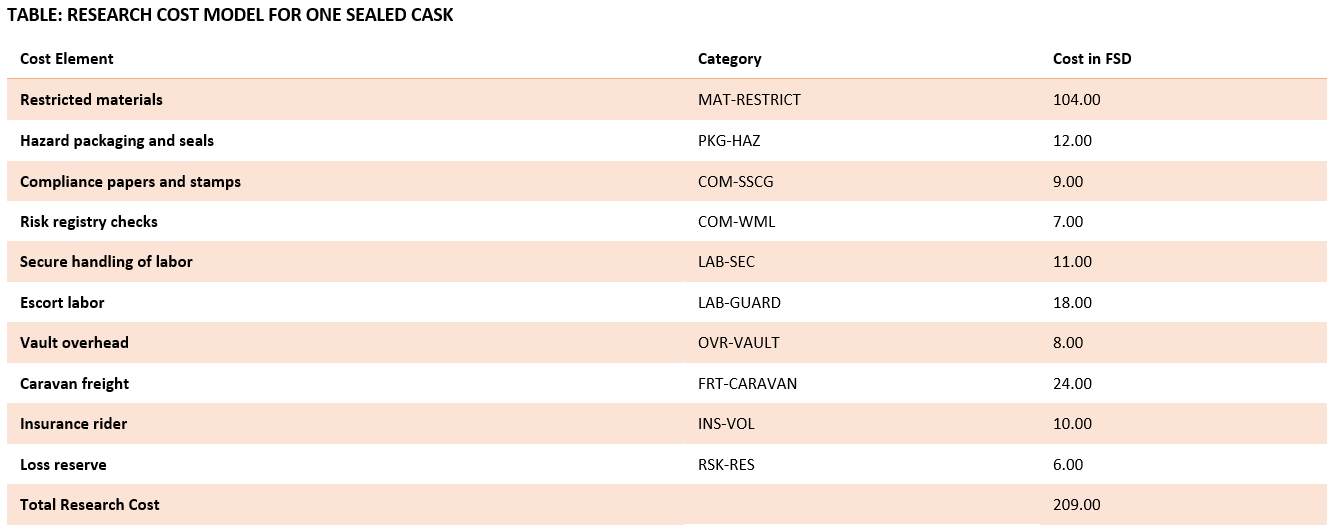

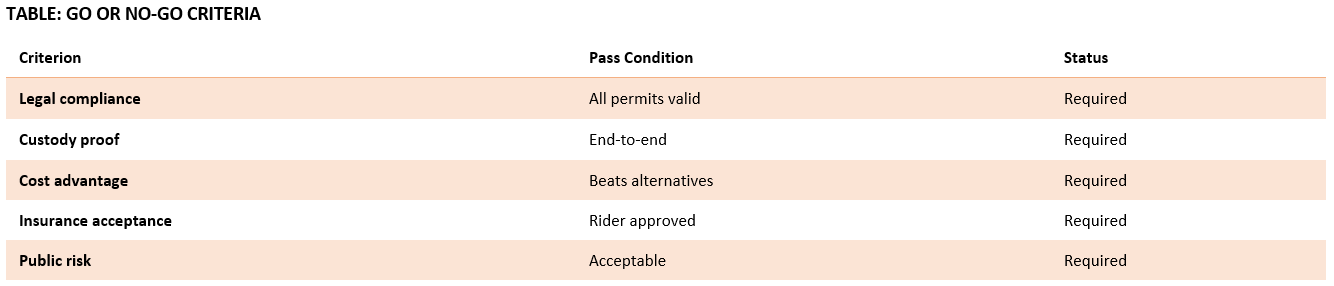
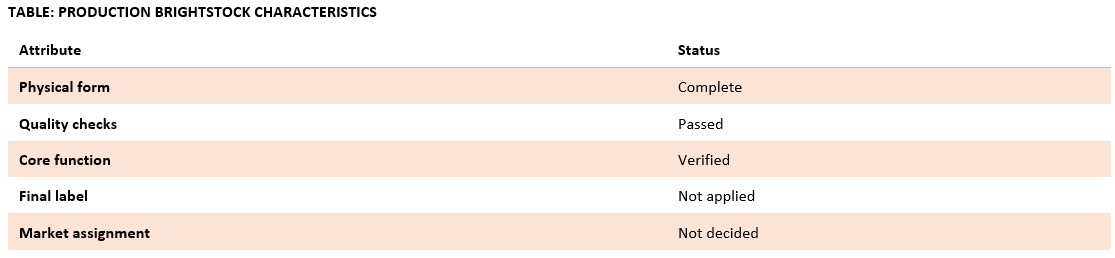

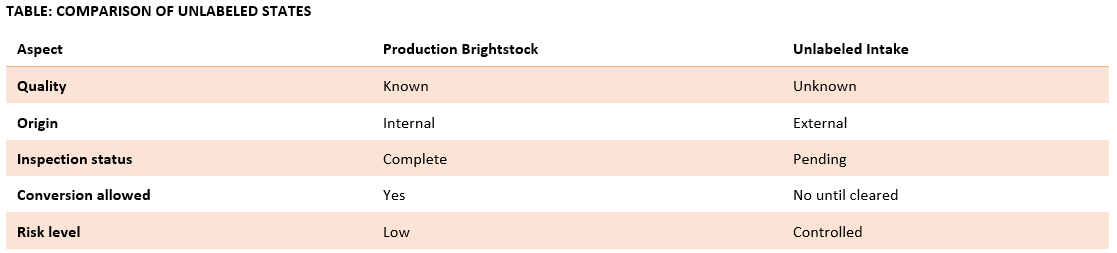


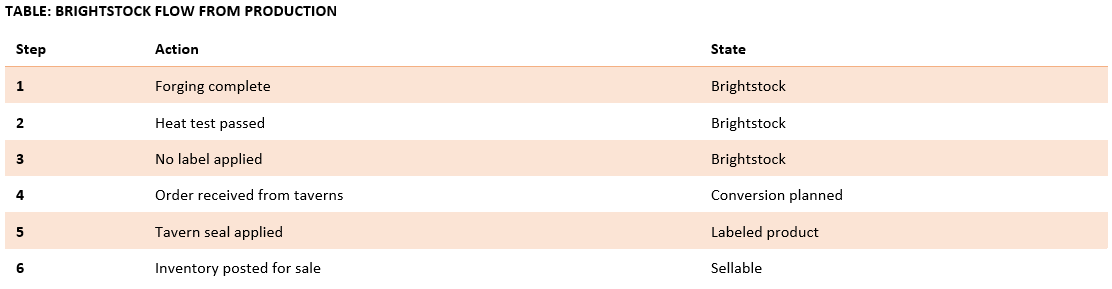
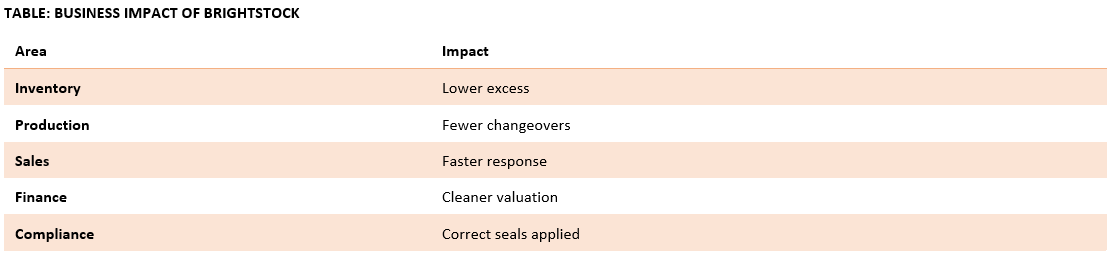

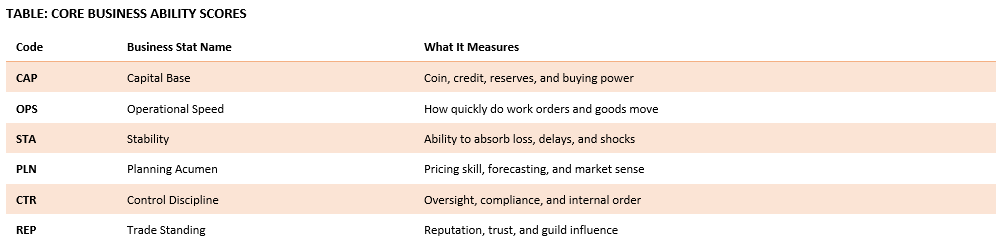
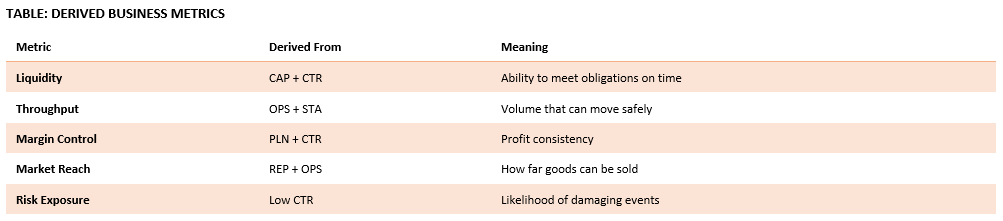
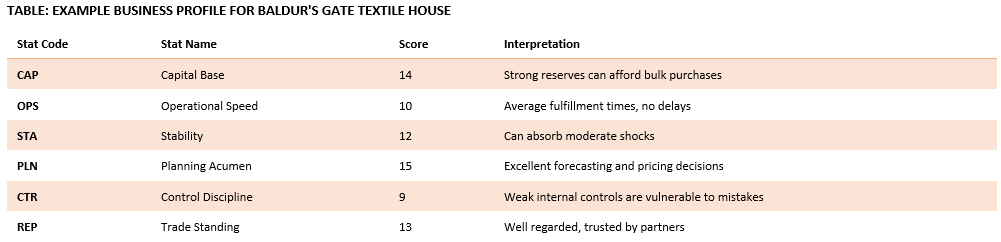
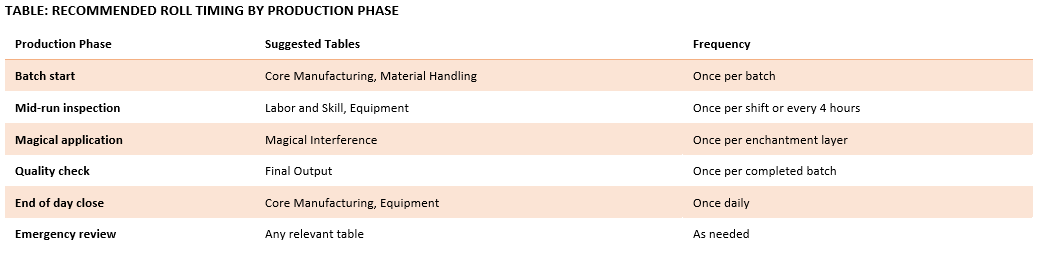
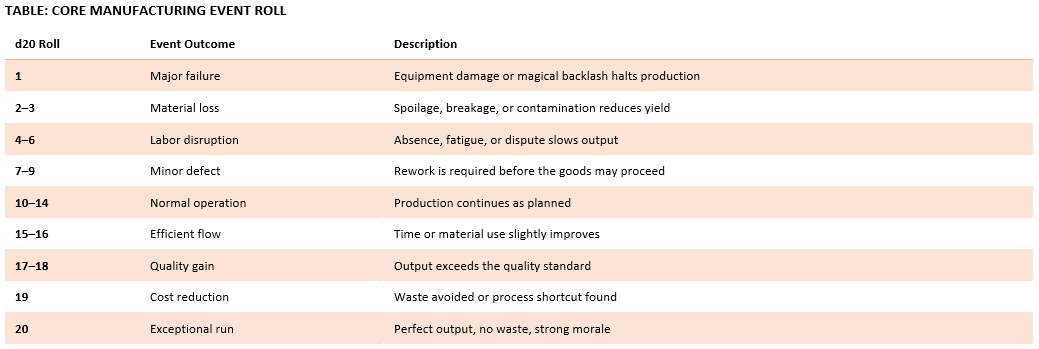
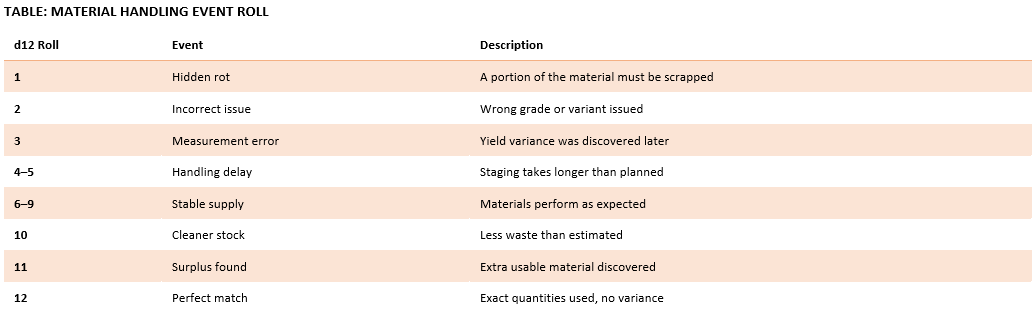
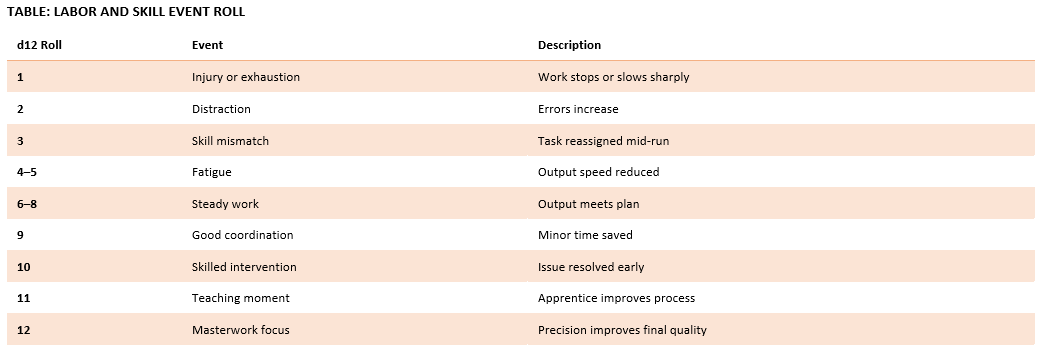
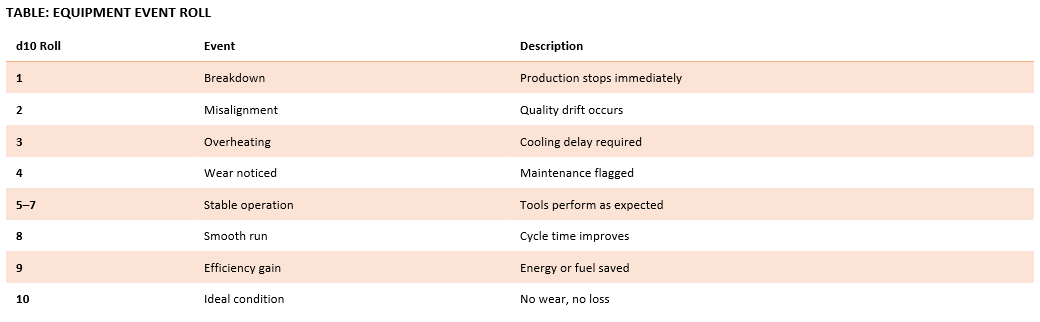
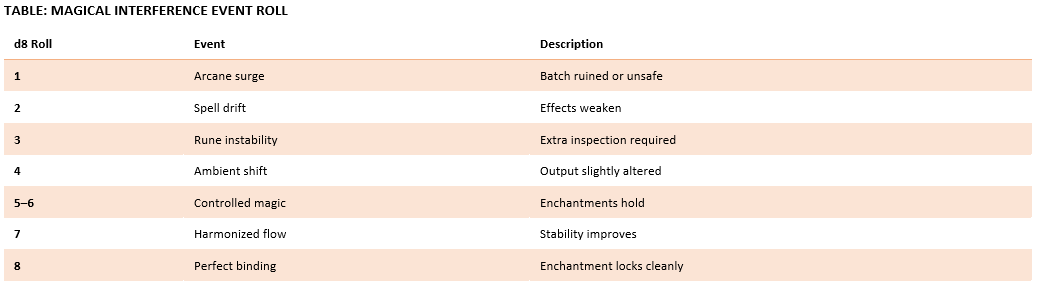
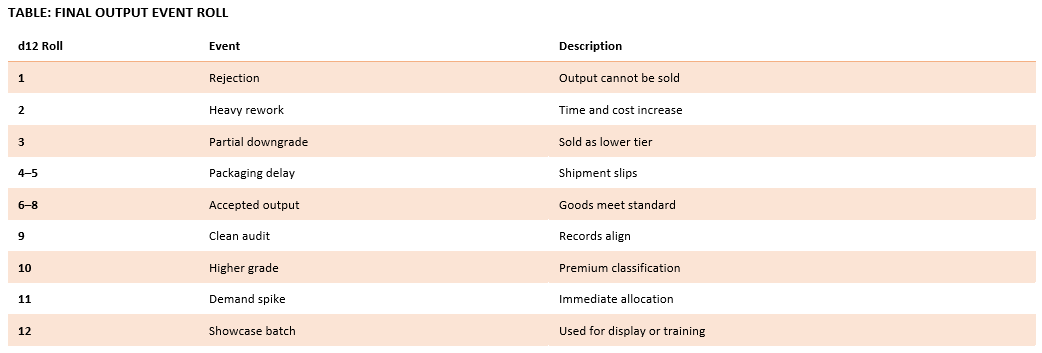
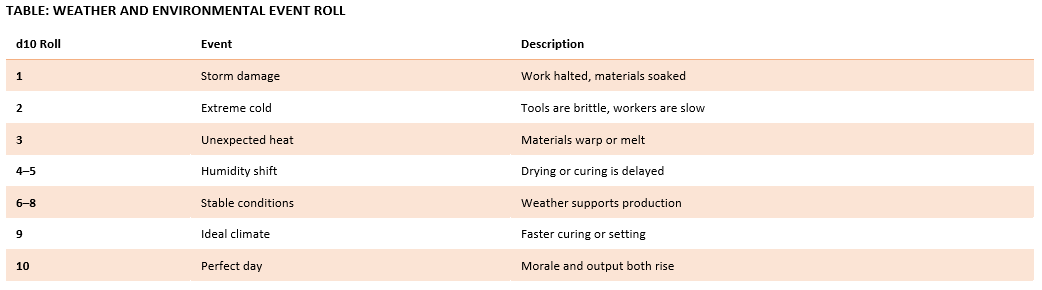
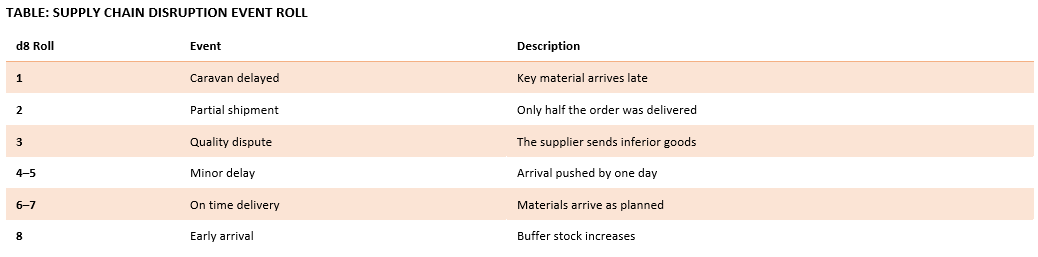
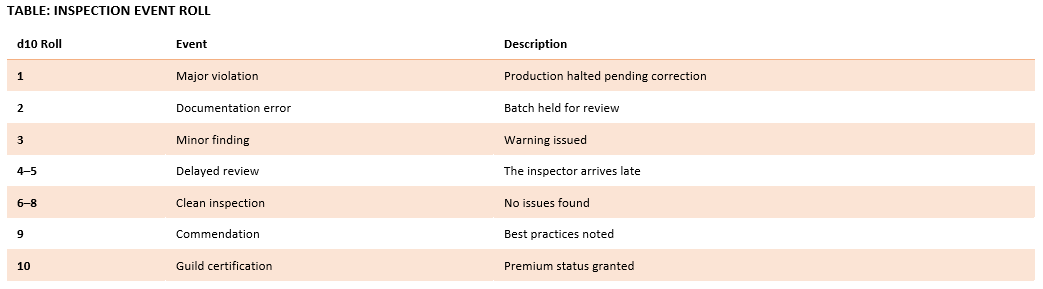
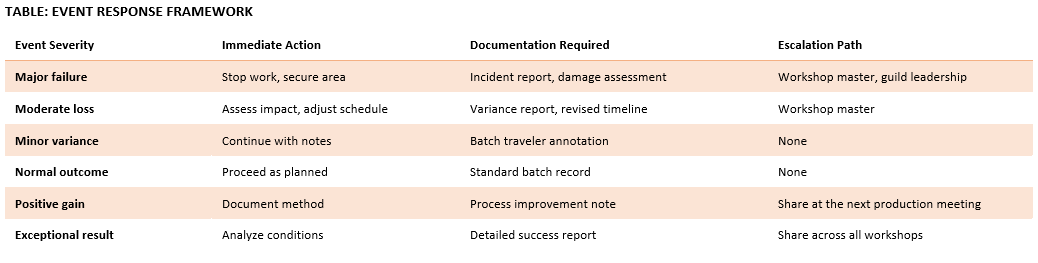
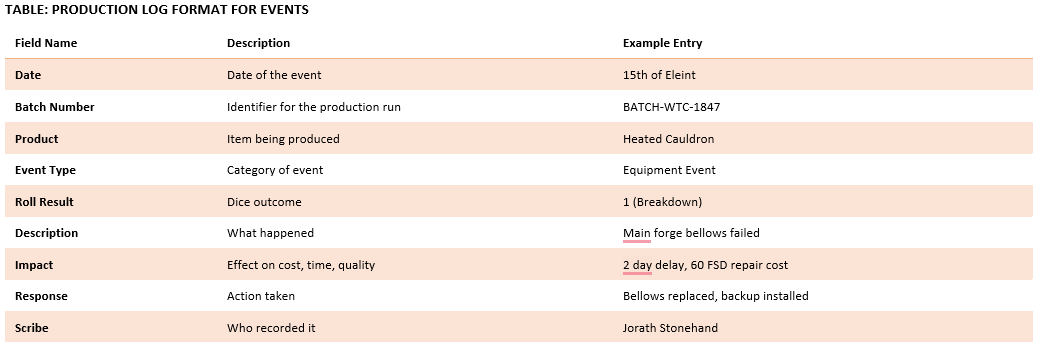

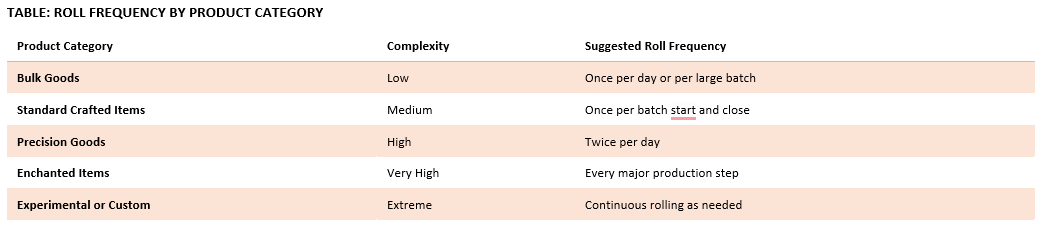





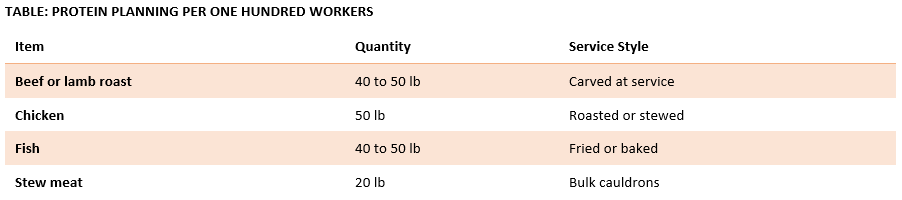

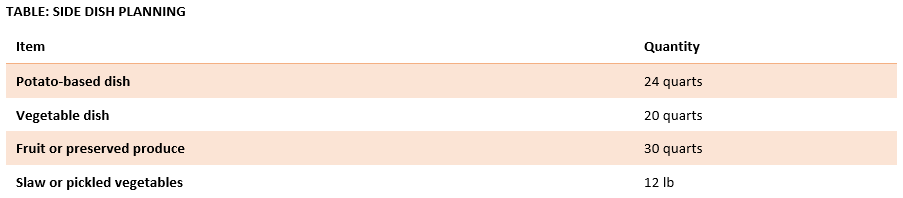


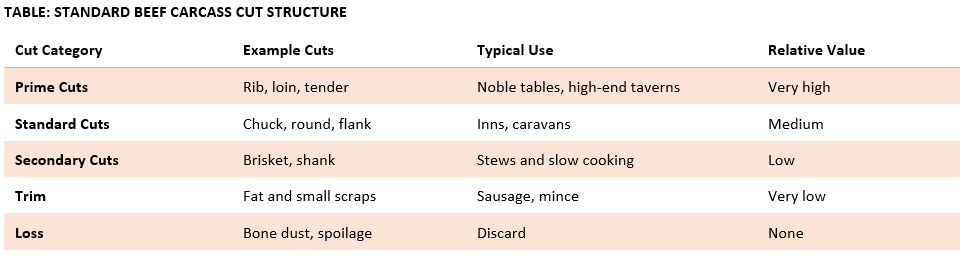
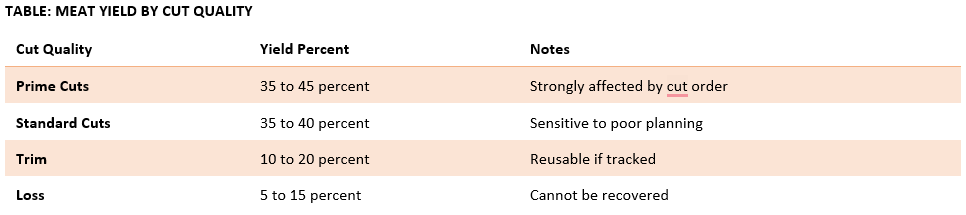

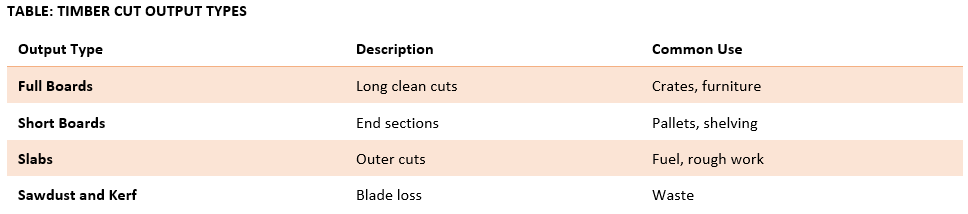


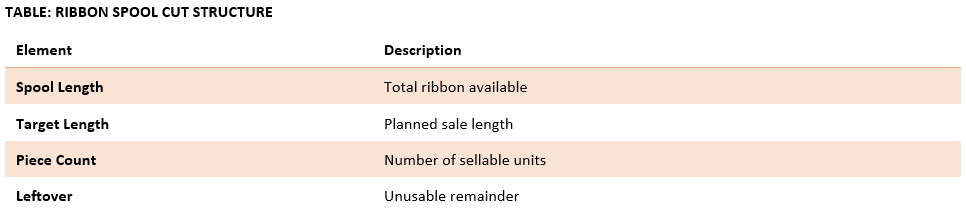


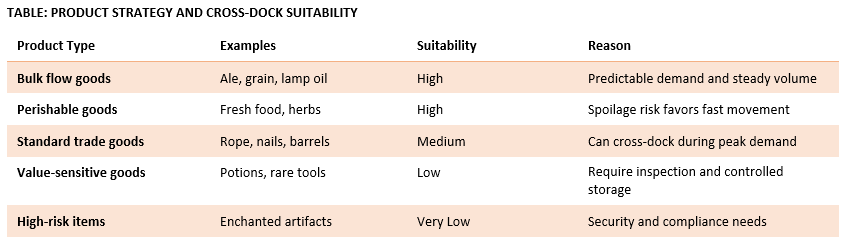
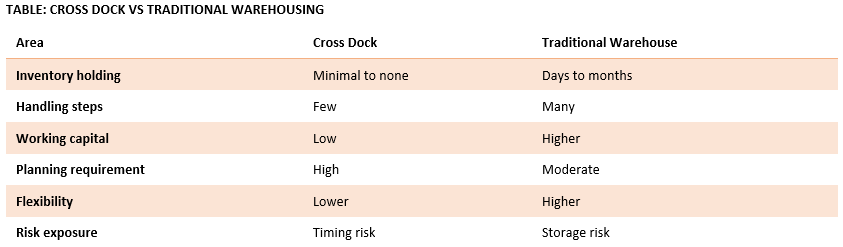
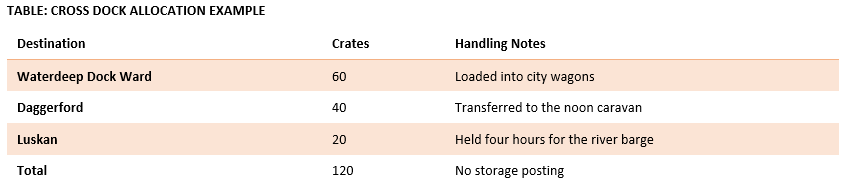
 A Tinkerers Notebook