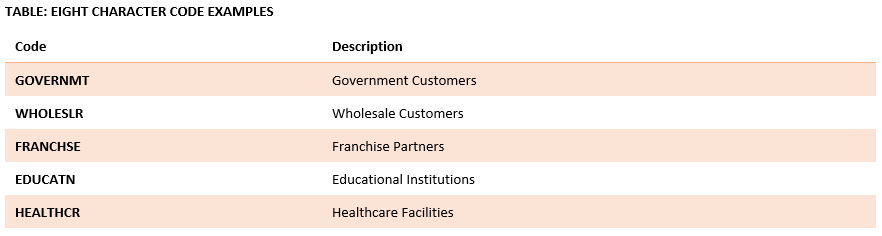
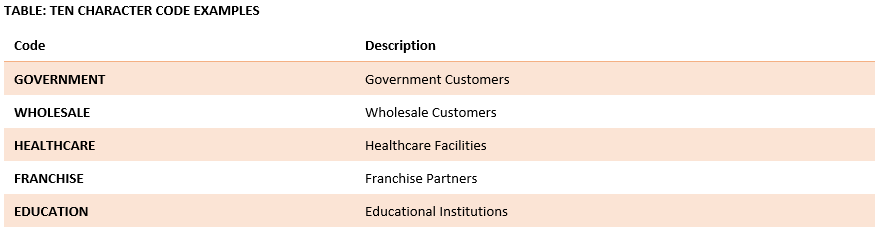
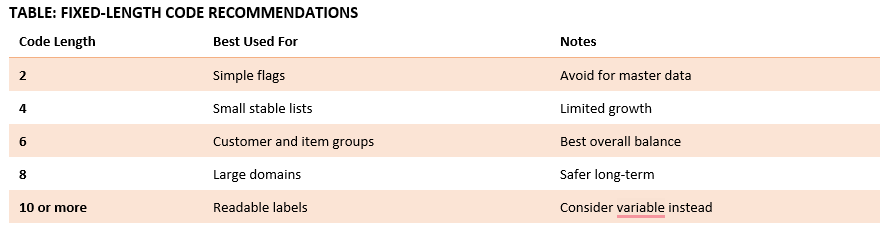
In the world of Faerûn, coin and contract alike are bound by both trust and enchantment. From the bustling bazaars of Calimport to the guild halls of Waterdeep, every transaction depends on the sanctity of its value. To preserve that trust, the Waterdeep Trading Company has established a precise system for the placement of Faerûnian currency symbols within all financial records, invoices, and ledgers in Dynamics 365 Finance.

The placement of these symbols is more than a stylistic choice, it is a safeguard against manipulation. Just as a rune prevents the alteration of a scroll, the 𝔉 mark defends the integrity of every transaction recorded in the company’s books.

What It Is

The Faerûnian Currency Symbol System establishes how the 𝔉 (Fraktur capital F) symbol is positioned in relation to coin values across all documentation, ensuring that no figure can be expanded, erased, or falsified without immediate detection.

In Faerûn, where forgery can be both mundane and magical, this symbol acts as an anchor. Whether embossed upon parchment, sealed in wax, or encoded within a ledger entry, the 𝔉 always precedes the value, clearly identifying where the number begins and ends.

Why It Matters

Financial tampering in Faerûn is not limited to dishonest scribes. Illusory ink, glyphs of transmutation, and rune-based forgeries all threaten the stability of commerce. By enforcing consistent placement and structure of the 𝔉 symbol, the Waterdeep Trading Company ensures that:

  • No value can be prefixed or suffixed without disrupting the enchantment of record integrity.
  • Auditors can instantly verify authenticity of entries by the symbol’s placement.
  • Currency codes remain immutable in both physical and digital ledgers.
  • Merchant receipts reflect sealed authenticity, ensuring the buyer and seller view the same value.

This approach effectively transforms the symbol itself into an anti-tampering device, a ward of numbers.

The Symbol and Its Placement

The universal prefix 𝔉 is used before all numeric values in Faerûnian commerce. It anchors the value in place, defining both its origin and denomination.

In system configuration, the currency field is always separated from the numeric field, ensuring that backend data cannot be altered without validation.

Each placement type ensures consistency across recordkeeping, preventing both manual and magical interference with numerical values.

Symbolic Integrity: How It Works

The placement of 𝔉 before a value serves two crucial roles:

  • Numerical Protection – In written records, the leading 𝔉 occupies the space where a forger might otherwise add digits. Adding “1” to turn 𝔉100 into 𝔉1100 would violate spacing wards built into official ledgers.
  • Enchantment Lock – When encoded digitally within the Faerûnian ERP system, the 𝔉 mark carries a checksum enchantment. If altered, the ledger line fails authentication, alerting the Arcane Treasurer or system auditor.

The Waterdeep Trading Company’s scribes often say: “Where the 𝔉 stands, gold stands true.”

Example Ledger Entries

Below are standardized ledger notations demonstrating how proper placement prevents falsification.

Each example demonstrates how consistent use of the 𝔉 prefix enforces clarity and immutability in recorded amounts.

Realms-Aware Considerations

In certain guilds, such as the Scriveners’, Scribes’, & Clerks’ Guild (SSCG), enchanted quills are bound to recognize the 𝔉 symbol as the start of a numeric enchantment. Attempting to modify text following this mark breaks the glyph, blackening the parchment and nullifying the entry.

Similarly, when imported into Dynamics 365 Finance, values beginning with 𝔉 are validated against system currency tables. Any mismatch between symbol, denomination, or rate triggers an audit log alert, requiring review by an Arcane Treasurer.

This dual protection, one magical, one procedural, ensures the integrity of trade throughout Faerûn.

Final Thoughts

In Faerûn, where gold flows as freely as magic, the smallest mark can hold the greatest power. The 𝔉 symbol, placed before every sum, stands as both a declaration of value and a shield against deceit. Through careful configuration within Dynamics 365 Finance, the Waterdeep Trading Company has turned a simple letter into a bulwark of financial truth.

Each time a scribe inscribes 𝔉 upon a ledger, they do more than record coin, they preserve the honor of trade itself.


Support the AD&D365 Project on Patreon.  To grow this world, we’ve launched an official Patreon where supporters can gain access to exclusive content, tools, training labs, and even influence the future of the project. Your support fuels more than just development ,  it expands the guildhall, forges new scrolls, and empowers the next generation of configuration wizards.  Begin your journey: https://www.patreon.com/adnd365/

A Grateful Salute to Our Patrons.  To all those who stand behind the vision, thank you for helping bring this world to life. Our Benefactors, Andre Breillatt, and Eryndor Fiscairn, your boundless generosity fuels the arcane core of this project. Without your magic, the weave would falter. Our Apprentices, the spell engines turn and the training labs thrive thanks to our current Apprentices: Michael Ramirez and Andreth Bael’Rathyn. Special thanks to our past Apprentices, whose contributions helped us get here:  Ralf Weber, Wendy Rijners, Shashi Mahesh, Julia Tejera, Ben Ekokobe, Tiago Xavier, Naveen Boyinapelli, Marcos Tadeu Wolf, Kathryn Greene, Jason Brown, Mark Christy, and Ashish Singh. Our Initiates, Gregory Brigden, and Martin Grahm, your commitment marks the start of the deeper path, stepping beyond mere observation into the active shaping of this realm. Our Followers, your steady presence along the journey is a beacon of encouragement:  Eric Shuss, Sunil Panchal, Sarah D. Morgan, Nick Ramchandani, Daniel Kjærsgaard, and Tomasz Pałys. And our Voyeurs, Harry Burgh, Abdelrahman Nabil, and Basil Quarrell, ever watching from the shadows, clearly intrigued… but not enough to part with a single gold piece. Your silent curiosity is noted, and mildly judged.

Want to design your own economic models in Faerûn?  Get your own AD&D365 Environment and guides at adnd365.com/start, and request access to the public view of the current database at https://public.adnd365.com – Login npc@adnd365.com, Password N0nPl@yC#822!
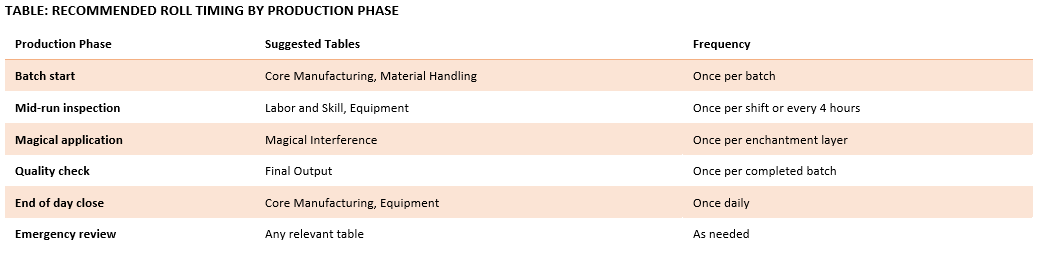
In the bustling alchemical halls of the Waterdeep Trading Company, potioncraft has evolved into a discipline of precision, planning, and magical engineering. Among the most efficient techniques is the use of intermediate base formulations, standardized mixtures created in advance and used across multiple potion types. These are not finished potions, but powerful pre-distillations that save time, reduce waste, and ensure consistency across every batch.

Now, the process has grown even more refined with the introduction of multi-dose bottling, where a single base batch can be divided and bottled into varying dose sizes, each calibrated for adventurers, temples, or wholesale distribution.

What It Is

An intermediate base formulation is a semi-finished product used as a foundation for multiple final goods. A bottling step then portions that intermediate into standard dosage sizes.

For example, a Base Healing Solution can be produced in large vats, stored, and later divided into Minor, Standard, or Greater Healing Potions, depending on the bottle size and additive strength.

This structure mirrors the multi-level production model in Dynamics 365, where one formula output feeds multiple downstream formulations and packaging variants.

Why It Matters

This approach provides several strategic benefits:

  • Efficiency: Large base batches support several potion lines.
  • Flexibility: Different vial sizes and dosages can be produced without re-crafting the base.
  • Consistency: Standard potency maintained through measured dilution and enchantment.
  • Traceability: Each bottle size retains reference to the parent batch for audit and recall.

Example Formulations

The following tables illustrate the entire lifecycle of potion production, beginning with the creation of the base mixture, moving through the bottling phase, and culminating in finished potion variants. These examples show how the Waterdeep Trading Company structures its alchemical production using intermediate formulations and downstream consumption in a formula-driven process.

This table presents the first stage of potion production, where raw herbs, essences, and solvents are combined into a single reusable base. This base serves as the foundation for all healing potions and represents the primary intermediate product in the Waterdeep Trading Company’s alchemical hierarchy.

Bottling Step – Multi-Dose Packaging

After the base potion is brewed and matured for two lunar cycles, it is transferred to the Potion Bottling Chamber. Here, enchanted siphons and measuring runes divide the base solution into distinct dosage volumes.

Once the base solution has matured and stabilized, it enters the bottling phase. This table outlines how the same base batch can be portioned into different-sized doses, each serving unique market needs. The Waterdeep Trading Company’s bottling chambers ensure precision dosing, consistent enchantment, and accurate yield tracking.

Each variant is filled, sealed, and enchanted according to guild bottling standards. Rune-engraved stoppers track the batch ID and date of distillation for ledger entry in the Alchemical Registry within Dynamics 365.

Example Final Formulations

This table illustrates the transformation of the intermediate solution into a fully finished potion through the addition of magical and herbal reagents. The base solution is combined with active ingredients and bottled for direct sale or adventurer use.

For high-value markets and noble patrons, the Greater Healing Potion represents the advanced variant of the same product line. This table details the enhanced recipe using the same intermediate base, demonstrating how potency scales with volume and ingredient rarity.

Bill of Materials (BOM) Structure

This table demonstrates the hierarchical relationship between ingredients, intermediates, bottling, and final products. It reflects how the Waterdeep Trading Company uses multi-level Bills of Materials (BOMs) to manage both brewing and packaging within Dynamics 365.

This structure allows planners in the Waterdeep Trading Company to trigger bottling orders separately from brewing batches, improving flexibility during demand spikes (for example, after regional skirmishes or monster outbreaks).

Realms-Aware Considerations

Potion bottling in Faerûn must consider not only physical size but arcane saturation. Certain materials, like moonlight glass or ruby-etched quartz, hold enchantments differently at different volumes. A 50 ml vial stabilizes faster, while a 250 ml bottle may require additional stasis runes or cooling sigils.

Seasonal leyline strength can also alter batch yield. As such, bottling operations in Luskan, Thay, and Baldur’s Gate each maintain localized calibration runes tuned to regional magic density.

Final Thoughts

Intermediate formulations form the backbone of Faerûnian alchemy, while controlled bottling ensures that adventurers and nobles alike receive perfectly measured doses. Through standardized intermediate batches, multi-dose bottling, and precise ledger tracking, the Waterdeep Trading Company exemplifies the union of craft and commerce in the Realms.


Support the AD&D365 Project on Patreon.  To grow this world, we’ve launched an official Patreon where supporters can gain access to exclusive content, tools, training labs, and even influence the future of the project. Your support fuels more than just development ,  it expands the guildhall, forges new scrolls, and empowers the next generation of configuration wizards.  Begin your journey: https://www.patreon.com/adnd365/

A Grateful Salute to Our Patrons.  To all those who stand behind the vision, thank you for helping bring this world to life. Our Benefactors, Andre Breillatt, and Eryndor Fiscairn, your boundless generosity fuels the arcane core of this project. Without your magic, the weave would falter. Our Apprentices, the spell engines turn and the training labs thrive thanks to our current Apprentices: Michael Ramirez and Andreth Bael’Rathyn. Special thanks to our past Apprentices, whose contributions helped us get here:  Ralf Weber, Wendy Rijners, Shashi Mahesh, Julia Tejera, Ben Ekokobe, Tiago Xavier, Naveen Boyinapelli, Marcos Tadeu Wolf, Kathryn Greene, Jason Brown, Mark Christy, and Ashish Singh. Our Initiates, Gregory Brigden, and Martin Grahm, your commitment marks the start of the deeper path, stepping beyond mere observation into the active shaping of this realm. Our Followers, your steady presence along the journey is a beacon of encouragement:  Eric Shuss, Sunil Panchal, Sarah D. Morgan, Nick Ramchandani, Daniel Kjærsgaard, and Tomasz Pałys. And our Voyeurs, Harry Burgh, Abdelrahman Nabil, and Basil Quarrell, ever watching from the shadows, clearly intrigued… but not enough to part with a single gold piece. Your silent curiosity is noted, and mildly judged.

Want to design your own economic models in Faerûn?  Get your own AD&D365 Environment and guides at adnd365.com/start, and request access to the public view of the current database at https://public.adnd365.com – Login npc@adnd365.com, Password N0nPl@yC#822!
In Faerûn, storage is more than a matter of shelf space, it is a balance between mundane logistics and arcane ingenuity. The Waterdeep Trading Company must manage everything from crates of grain and barrels of ale to relics humming with latent enchantments. Whether items are placed in physical bins, Bags of Holding, or secured within vault cells, the principles of organization and accountability remain the same, though the methods differ greatly.

What It Is

A warehouse bin is a physical location within a storage facility where items are placed for tracking and retrieval. In mundane warehouses, bins are organized by item type, serial, or lot number. In arcane operations, however, magical containers introduce entirely new dimensions, literally.

Magical containers such as Bags of Holding, Portable Holes, and Vault Cells of Holding expand space through extra-dimensional means. These containers allow a trader to store vast quantities of goods in a fraction of the space required in the physical world. Yet, their use introduces challenges in accounting, safety, and traceability.

Why It Matters

Without precise tracking, items may vanish into extra-dimensional limbo or become subject to spatial interference. The Waterdeep Trading Company uses specialized inventory controls within its enchanted warehouse system to balance efficiency and risk.

Proper bin and container management ensures:

  • Accurate stock visibility between planar and physical spaces.
  • Prevention of duplication, misplacement, or loss in dimensional folds.
  • Compliance with guild regulations for enchanted goods.
  • Efficient use of vault space for high-value or volatile items.

Components or Breakdown

Each storage method serves a distinct purpose and should be recorded differently in the company’s inventory ledger.

Worked Example: Storing Enchanted Blades

When the Waterdeep Trading Company receives a shipment of enchanted blades from the Baldur’s Gate Blacksmiths Guild, the items are classified by storage requirement:

Each entry includes a traceable ID, whether physical or magical. Items in Bags of Holding are logged using the Container Ledger, linking to the owner’s sigil for accountability.

Realms-Aware Considerations

  1. Dimensional Safety: Mixing two Bags of Holding or inserting one into a Portable Hole tears the planar fabric, releasing contents, and sometimes handlers, into the Astral Plane. Always log magical container interactions in the Arcane Safety Register.
  2. Audit Visibility: Magical inventories require synchronization spells, often performed by Sage Archivists. Each synchronization event should be tied to the general ledger’s Inventory Reconciliation journal.
  3. Teleportation Freight: Items in magical containers are subject to extra tariffs under the Guild of Transplanar Commerce. Ensure cost allocation includes dimensional fees.

Final Thoughts

Balancing physical and magical warehousing requires both discipline and enchantment. Whether managing a mundane barrel of flour or a vault-bound crown jewel, the guiding principle is the same: every item must have a home, and that home must be known to the ledger.

By uniting warehouse bin management with arcane storage tracking, the Waterdeep Trading Company maintains not only control of its stock but also mastery of the unseen spaces between planes.


Support the AD&D365 Project on Patreon.  To grow this world, we’ve launched an official Patreon where supporters can gain access to exclusive content, tools, training labs, and even influence the future of the project. Your support fuels more than just development ,  it expands the guildhall, forges new scrolls, and empowers the next generation of configuration wizards.  Begin your journey: https://www.patreon.com/adnd365/

A Grateful Salute to Our Patrons.  To all those who stand behind the vision, thank you for helping bring this world to life. Our Benefactors, Andre Breillatt, and Eryndor Fiscairn, your boundless generosity fuels the arcane core of this project. Without your magic, the weave would falter. Our Apprentices, the spell engines turn and the training labs thrive thanks to our current Apprentices: Michael Ramirez and Andreth Bael’Rathyn. Special thanks to our past Apprentices, whose contributions helped us get here:  Ralf Weber, Wendy Rijners, Shashi Mahesh, Julia Tejera, Ben Ekokobe, Tiago Xavier, Naveen Boyinapelli, Marcos Tadeu Wolf, Kathryn Greene, Jason Brown, Mark Christy, and Ashish Singh. Our Initiates, Gregory Brigden, and Martin Grahm, your commitment marks the start of the deeper path, stepping beyond mere observation into the active shaping of this realm. Our Followers, your steady presence along the journey is a beacon of encouragement:  Eric Shuss, Sunil Panchal, Sarah D. Morgan, Nick Ramchandani, Daniel Kjærsgaard, and Tomasz Pałys. And our Voyeurs, Harry Burgh, Abdelrahman Nabil, and Basil Quarrell, ever watching from the shadows, clearly intrigued… but not enough to part with a single gold piece. Your silent curiosity is noted, and mildly judged.

Want to design your own economic models in Faerûn?  Get your own AD&D365 Environment and guides at adnd365.com/start, and request access to the public view of the current database at https://public.adnd365.com – Login npc@adnd365.com, Password N0nPl@yC#822!
In Faerûn, ownership of an idea, design, or spell is as valuable as a chest of gemstones. The Waterdeep Trading Company, like many guilds and merchant houses, often deals with works of the mind, arcane formulae, crafted inventions, and branded products whose rights belong to inventors, enchanters, or scribes. Royalty tracking ensures that those creators receive fair compensation for the ongoing use or sale of their intellectual property.

What It Is

Royalty tracking refers to the financial process of calculating, recording, and paying royalties to the rightful owners of intellectual property (IP). This includes licensing fees for designs, inventions, or enchanted patterns, and shares of revenue for bards, artificers, or scholars whose work continues to generate value long after its creation. Within the Waterdeep Trading Company, royalties may arise from magical patents, exclusive trade routes, branded goods, or licensed production rights.

Why It Matters

Accurate royalty management protects both creators and merchants. For the company, it ensures compliance with guild laws and contractual terms. For inventors and owners, it guarantees steady income from ongoing production or sales. Mismanagement of royalties can lead to guild sanctions, damaged reputation, and disputes in the Merchant Courts of Waterdeep.

Components of Royalty Management

Royalty tracking in Dynamics 365 (and its Faerûnian counterpart) combines the disciplines of finance, contract management, and inventory control. Each component plays a role in ensuring fair distribution of profit.

Worked Example: Enchanted Blade Royalty

Consider a blacksmith in Baldur’s Gate who licensed the design for an “Everbright Longsword” to the Waterdeep Trading Company. The agreement grants him 5 percent of net sales revenue per quarter.

At the end of the quarter, the system posts an accrual entry:

  • Debit: Royalty Expense (Account 6150) – 3,150.00 FSD
  • Credit: Royalty Payable (Account 2170) – 3,150.00 FSD

Once payment is approved, the balance is settled through a vendor payment run to the blacksmith’s guild account.

Realms-Aware Considerations

Royalty management in Faerûn extends beyond simple coins:

  • Magical IP: Spell patterns, enchantments, and sigils often require royalties in kind, such as mana crystals or service credits.
  • Guild Oversight: The Scriveners’, Scribes’, and Clerks’ Guild verifies contracts and ensures proper recordkeeping of intellectual works.
  • Cross-Planar Licensing: When designs are sold in other planes, conversion rates (via the Faerûn Commodities Exchange, FCOMEX) must be applied.
  • Arcane Enforcement: Many contracts are sealed magically, automatically deducting royalties when sales are posted.

Final Thoughts

Royalty tracking ensures fairness and sustainability in a realm where ideas themselves are currency. By integrating royalty agreements within financial ledgers, the Waterdeep Trading Company ensures that every creator, from enchanter to inventor, is rewarded when their craft continues to bring value. Proper setup of royalty contracts and automated payment workflows transforms compliance into a competitive advantage, ensuring trust, transparency, and lasting prosperity across Faerûn’s guilds and markets.


Support the AD&D365 Project on Patreon.  To grow this world, we’ve launched an official Patreon where supporters can gain access to exclusive content, tools, training labs, and even influence the future of the project. Your support fuels more than just development ,  it expands the guildhall, forges new scrolls, and empowers the next generation of configuration wizards.  Begin your journey: https://www.patreon.com/adnd365/

A Grateful Salute to Our Patrons.  To all those who stand behind the vision, thank you for helping bring this world to life. Our Benefactors, Andre Breillatt, and Eryndor Fiscairn, your boundless generosity fuels the arcane core of this project. Without your magic, the weave would falter. Our Apprentices, the spell engines turn and the training labs thrive thanks to our current Apprentices: Michael Ramirez and Andreth Bael’Rathyn. Special thanks to our past Apprentices, whose contributions helped us get here:  Ralf Weber, Wendy Rijners, Shashi Mahesh, Julia Tejera, Ben Ekokobe, Tiago Xavier, Naveen Boyinapelli, Marcos Tadeu Wolf, Kathryn Greene, Jason Brown, Mark Christy, and Ashish Singh. Our Initiates, Gregory Brigden, and Martin Grahm, your commitment marks the start of the deeper path, stepping beyond mere observation into the active shaping of this realm. Our Followers, your steady presence along the journey is a beacon of encouragement:  Eric Shuss, Sunil Panchal, Sarah D. Morgan, Nick Ramchandani, Daniel Kjærsgaard, and Tomasz Pałys. And our Voyeurs, Harry Burgh, Abdelrahman Nabil, and Basil Quarrell, ever watching from the shadows, clearly intrigued… but not enough to part with a single gold piece. Your silent curiosity is noted, and mildly judged.

Want to design your own economic models in Faerûn?  Get your own AD&D365 Environment and guides at adnd365.com/start, and request access to the public view of the current database at https://public.adnd365.com – Login npc@adnd365.com, Password N0nPl@yC#822!
In the bustling markets of Faerûn, not all goods behave as expected. Some resist enchantment, others attract misfortune, and a few seem to take a perverse delight in failing at the worst possible moment. These items, known within the Waterdeep Trading Company as Slightly Cursed Product Lines, occupy a unique niche in the supply chain. They blur the line between profitable inventory and potential liability, demanding careful financial tracking, specialized routing, and a sense of humor among the accounting staff.

What It Is

A Slightly Cursed Product Line refers to a category of goods that carry residual magical interference, inconsistent behavior, or minor hexes. They are not dangerous enough to be banned, yet not reliable enough for standard sale without disclaimers. Examples include swords that hum off-key, cloaks that occasionally vanish their wearers’ heads, and wagons that refuse to travel north on certain days.

These items often originate from botched enchantments, reclaimed relics, or surplus stock from apprentice artificers. While such products can still be sold at discount or repurposed for “adventurer-grade” markets, they require special handling within both logistics and finance.

Why It Matters

From an accounting perspective, slightly cursed items challenge the conventional model of inventory valuation. Their defects are inconsistent, and their resale value depends on perceived severity of the curse and local superstitions.
For the Waterdeep Trading Company, managing these lines allows the organization to reclaim sunk costs from failed enchantment batches and transform potential waste into a secondary revenue stream.

Each cursed product line is evaluated on three axes:

The following table illustrates how the Waterdeep Trading Company accounts for the uncertainty surrounding slightly cursed goods.

These percentages are applied within the costing sheet to balance financial exposure and enable selective insurance with the Temple of Waukeen’s trade underwriters.

Worked Example: Wand of Minor Misfires

The Wand of Minor Misfires was produced in a batch of fifty by the Baldur’s Gate Blacksmiths Guild in partnership with an overzealous artificer. While forty function perfectly, ten occasionally produce sparks, illusory frogs, or temporary hair loss.

Although the company records a nominal loss of 15 FSD per wand, the reclamation process recovers materials, the apprentice gains experience, and the novelty market sustains limited demand.

Realms-Aware Considerations

Cursed goods move differently through Faerûn’s economy. In Amn, merchants avoid them entirely due to superstition, while in Calimport, they are marketed as “luck-touched curiosities.” The Waterdeep Trading Company maintains a specialized product ledger, CURS-LITE, to isolate postings and track warranty claims.
Guild regulations require quarterly audits from the Scriveners’, Scribes’, & Clerks’ Guild to ensure that no “curses of consequence” are distributed without proper disclosure seals.

Final Thoughts

Slightly cursed product lines remind traders that profit and peril often walk hand in hand. By categorizing, valuing, and managing these goods systematically, the Waterdeep Trading Company turns minor misfortune into steady revenue. It is a fine example of Faerûnian pragmatism, where even a miscast spell can still balance the books.


Support the AD&D365 Project on Patreon.  To grow this world, we’ve launched an official Patreon where supporters can gain access to exclusive content, tools, training labs, and even influence the future of the project. Your support fuels more than just development ,  it expands the guildhall, forges new scrolls, and empowers the next generation of configuration wizards.  Begin your journey: https://www.patreon.com/adnd365/

A Grateful Salute to Our Patrons.  To all those who stand behind the vision, thank you for helping bring this world to life. Our Benefactors, Andre Breillatt, and Eryndor Fiscairn, your boundless generosity fuels the arcane core of this project. Without your magic, the weave would falter. Our Apprentices, the spell engines turn and the training labs thrive thanks to our current Apprentices: Michael Ramirez and Andreth Bael’Rathyn. Special thanks to our past Apprentices, whose contributions helped us get here:  Ralf Weber, Wendy Rijners, Shashi Mahesh, Julia Tejera, Ben Ekokobe, Tiago Xavier, Naveen Boyinapelli, Marcos Tadeu Wolf, Kathryn Greene, Jason Brown, Mark Christy, and Ashish Singh. Our Initiates, Gregory Brigden, and Martin Grahm, your commitment marks the start of the deeper path, stepping beyond mere observation into the active shaping of this realm. Our Followers, your steady presence along the journey is a beacon of encouragement:  Eric Shuss, Sunil Panchal, Sarah D. Morgan, Nick Ramchandani, Daniel Kjærsgaard, and Tomasz Pałys. And our Voyeurs, Harry Burgh, Abdelrahman Nabil, and Basil Quarrell, ever watching from the shadows, clearly intrigued… but not enough to part with a single gold piece. Your silent curiosity is noted, and mildly judged.

Want to design your own economic models in Faerûn?  Get your own AD&D365 Environment and guides at adnd365.com/start, and request access to the public view of the current database at https://public.adnd365.com – Login npc@adnd365.com, Password N0nPl@yC#822!
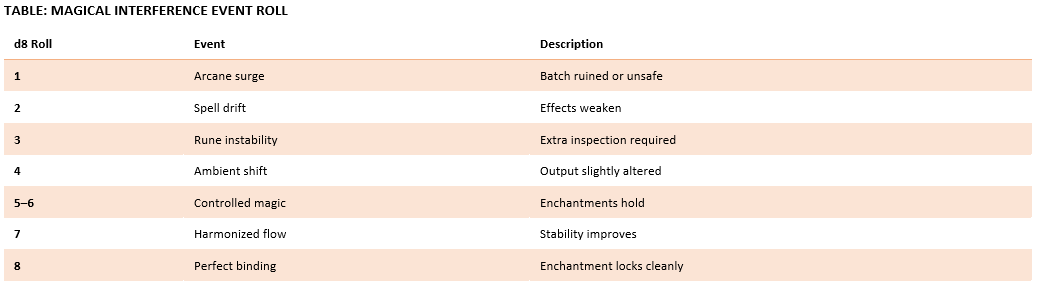
In the trade halls of Faerûn, no contract is sealed and no coin disbursed without the watchful eyes of those entrusted with authority. The Waterdeep Trading Company, like many guilds and merchant houses, relies upon structured approval workflows. These enchanted procedures ensure that all orders, invoices, and financial records are scrutinized by the right parties before action is taken. Just as no caravan leaves without a caravan master’s nod, no ledger entry or purchase order advances without its arcane sign-off.

What Approval Workflows Are

An approval workflow is the structured process by which documents—be they purchase orders, vendor invoices, or journal entries—must pass through designated approvers. Each approver represents a layer of oversight, much like guild seals affixed in turn to scrolls of binding. Within the system, these workflows are configured using templates and rules, ensuring no transaction moves forward without magical or managerial consent.

Types of Approvals in the Realms

Approval workflows in Faerûn fall into distinct categories, each designed for different kinds of trade, governance, or magical oversight.

Workflows by Document Type

Different business records require different kinds of approval.

Approvals via the Guild Whisper Network

While parchment and wax seals remain the backbone of commerce, the Waterdeep Trading Company has harnessed the Guild Whisper Network—an arcane lattice of sending stones, crystal orbs, and whisper-scrolls—to extend approval workflows beyond the guildhall.

Through this system:

  • Approvers can receive tasks instantly, no matter if they are in Suzail, Silverymoon, or aboard a caravan.
  • Magical missives replicate the approval request, displaying the document details as an illusion.
  • With a spoken word of assent, refusal, or escalation, the approval is recorded in the company’s enchanted ledger.
  • Complex approvals—such as majority votes—can be tallied in real time, with results displayed as glowing seals visible to all council members.

Worked Example: Vendor Invoice with Whisper Approval

Suppose a vendor from the Baldur’s Gate Blacksmiths Guild submits an invoice for steel shipment. Instead of requiring Borin Stonehand to travel back to Waterdeep:

  1. Invoice entered by Darrik Ambermantle.
  2. Approval workflow routes to Borin’s sending stone through the Guild Whisper Network.
  3. Borin inspects the illusionary invoice and speaks “Approved.”
  4. Rune-seal is affixed instantly in the ledger.
  5. Payment is authorized without delay.

This system combines the rigor of guild law with the reach of arcane communication.

Realms-Aware Considerations

Unlike the modern realms, Faerûn’s approval workflows must account for arcane and guild-specific factors:

  • Magical Validation: Contracts may require rune-seals to prove authenticity.
  • Guild Hierarchies: Some workflows demand votes from majority councils.
  • Regional Factors: A purchase order raised in Calimport might need both the local Silk Quarter guildmaster’s approval and Waterdeep headquarters’ seal.
  • Emergency Overrides: During dragon attack or famine, workflows may allow bypass by high council decree, with retroactive sealing.
  • Distributed Approvals: With the Guild Whisper Network, even adventurers in the field may approve a trade in real time.

Final Thoughts

Approval workflows are the lifeblood of disciplined trade. They replace uncertainty with order, allowing the Waterdeep Trading Company to conduct business with confidence, from the Sword Coast to the sands of Calimshan. Much like spells that protect a city, these processes shield the company’s coffers and reputation. With the Guild Whisper Network, approvals are no longer bound to parchment—they travel across Faerûn as swiftly as thought itself.


Support the AD&D365 Project on Patreon.  To grow this world, we’ve launched an official Patreon where supporters can gain access to exclusive content, tools, training labs, and even influence the future of the project. Your support fuels more than just development ,  it expands the guildhall, forges new scrolls, and empowers the next generation of configuration wizards.  Begin your journey: https://www.patreon.com/adnd365/

A Grateful Salute to Our Patrons.  To all those who stand behind the vision, thank you for helping bring this world to life. Our Benefactors, Andre Breillatt, and Eryndor Fiscairn, your boundless generosity fuels the arcane core of this project. Without your magic, the weave would falter. Our Apprentices, the spell engines turn and the training labs thrive thanks to our current Apprentices: Michael Ramirez and Andreth Bael’Rathyn. Special thanks to our past Apprentices, whose contributions helped us get here:  Ralf Weber, Wendy Rijners, Shashi Mahesh, Julia Tejera, Ben Ekokobe, Tiago Xavier, Naveen Boyinapelli, Marcos Tadeu Wolf, Kathryn Greene, Jason Brown, Mark Christy, and Ashish Singh. Our Initiates, Gregory Brigden, and Martin Grahm, your commitment marks the start of the deeper path, stepping beyond mere observation into the active shaping of this realm. Our Followers, your steady presence along the journey is a beacon of encouragement:  Eric Shuss, Sunil Panchal, Sarah D. Morgan, Nick Ramchandani, Daniel Kjærsgaard, and Tomasz Pałys. And our Voyeurs, Harry Burgh, Abdelrahman Nabil, and Basil Quarrell, ever watching from the shadows, clearly intrigued… but not enough to part with a single gold piece. Your silent curiosity is noted, and mildly judged.

Want to design your own economic models in Faerûn?  Get your own AD&D365 Environment and guides at adnd365.com/start, and request access to the public view of the current database at https://public.adnd365.com – Login npc@adnd365.com, Password N0nPl@yC#822!
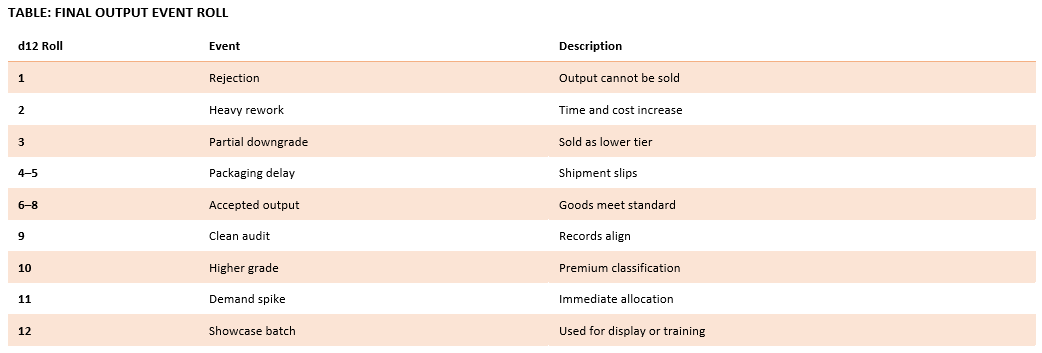
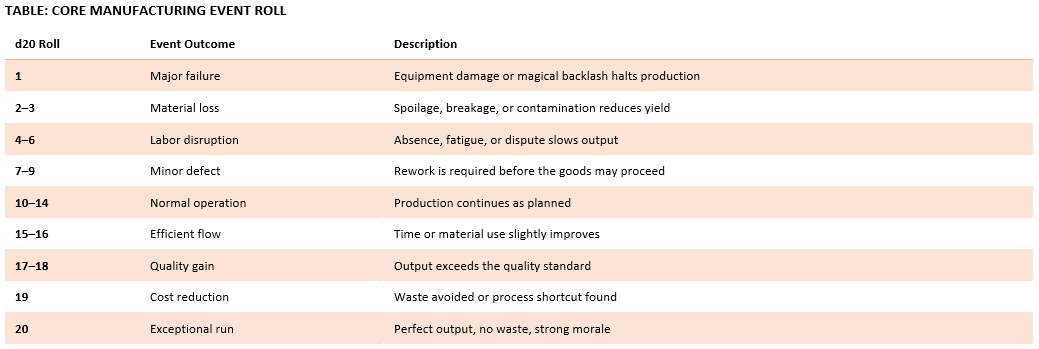
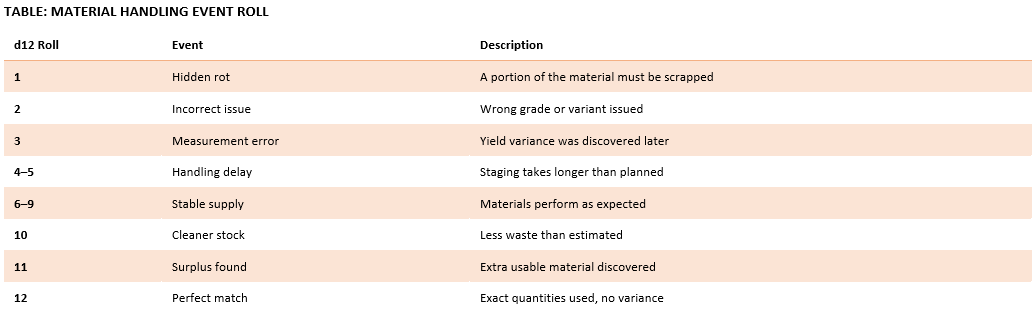
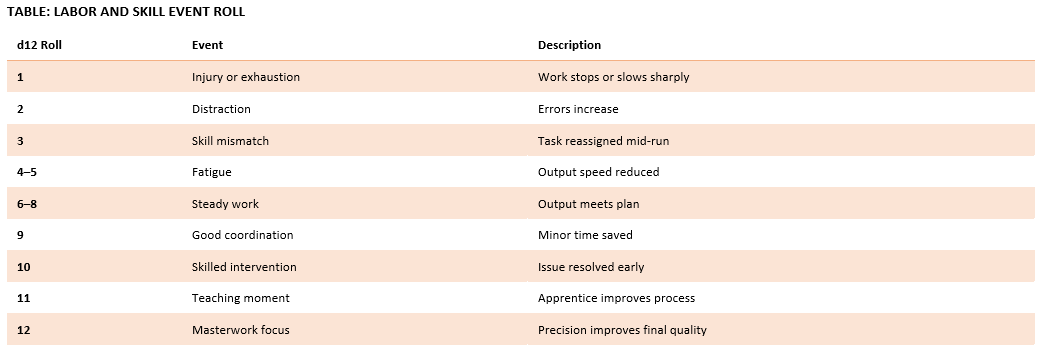
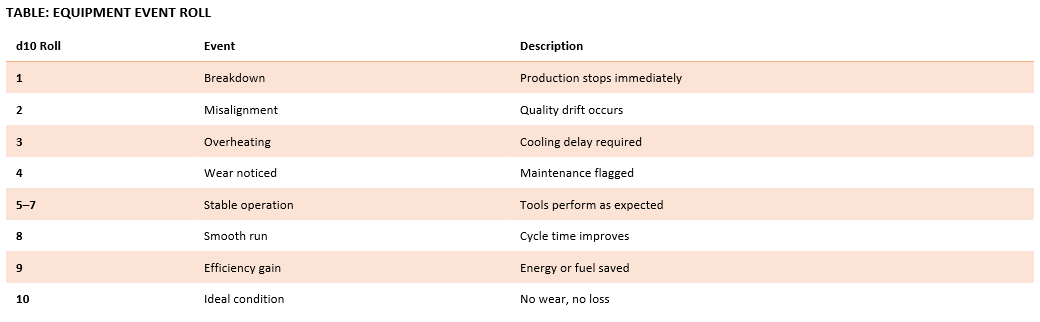
In the great halls of Candlekeep, scholars often debate the structure of thought. Some argue that mathematics is the purest language, while others claim alchemy and spellcraft hold the deeper truth. Yet both disciplines share a single, crucial principle: order matters. Just as the Waterdeep Trading Company must post its ledgers in the right sequence to keep its coffers balanced, so too must wizards, merchants, and potion-brewers follow a strict order of operations, lest their results turn to chaos.

The Order of Numbers: From Scrolls to Schools

Modern arithmetic across Faerûn mirrors the conventions of our age: Parentheses, Exponents, Multiplication and Division, Addition and Subtraction, all working left to right. An apprentice scribe in Baldur’s Gate, faced with the sum 6 + 7 × 2, is taught to find 20, not 26.

Yet this has not always been so. In early ages, mathematicians wrote their problems in words, not symbols, and most reckoning was done from left to right. Early mechanical calculators, gnomish clockworks from Lantan in the 1600s DR, also marched one step at a time, yielding 26 in the example above.

By the 1800s DR, however, standardized teaching from Silverymoon to Waterdeep had settled on the modern sequence. Schools, guilds, and later even enchanted calculators adopted the familiar PEMDAS rule. Order brought certainty to trade, engineering, and spellcraft alike.

Alternate Conventions: When Rules Shift

Different traditions still echo through history:

  • Strict left-to-right: Found in early scrolls and basic counting tools.
  • Forced grouping: With parentheses or magical brackets, results vary by design.
  • Reverse Polish Notation: Favored by gnomish artificers, where symbols follow numbers (6 7 2 × + = 20).

These alternate rules remind us that clarity in notation prevents costly mistakes, whether in a sum of coins or in a contract for planar trade.

The Order of Potions: A Magical Precedence

Alchemy and potion-making mirror mathematics in their need for sequence. A healing draught brewed without structure will curdle into poison or burst into flame. Master apothecaries agree on six stages of precedence:

  • Containment – vessels, seals, and wards to hold volatile energy.
  • Catalyst – application of heat, moonlight, or ley energy.
  • Primary Ingredients – herbs, minerals, monster parts.
  • Stabilizers – salts, oils, or arcane binders.
  • Essences & Distillates – phoenix tears, celestial extracts, rare alchemical spirits.
  • Final Enchantments – chants, sigils, or breathwork to bind the brew.

Skipping a step is like ignoring parentheses in mathematics: it invites disaster. The glow of a proper healing potion depends entirely on faithful order.

The “Magical PEMDAS” Mnemonic

To guide apprentices, the guilds of Waterdeep teach the mnemonic:

C-C-P-S-E-F Order
“Careful Cauldrons Prevent Sudden Explosions, Fool.”

  • Careful = Containment
  • Cauldrons = Catalyst
  • Prevent = Primary
  • Sudden = Stabilizers
  • Explosions = Essences
  • Fool = Final Enchantments

Much as a scribe remembers PEMDAS for sums, an alchemist recalls C-C-P-S-E-F for potions. Both disciplines demand rigor.

Worked Example: Formulation and Route of a Healing Draught

Just as an accountant breaks down a ledger entry into debits and credits, an alchemist or apothecary breaks down a potion into its formulation (ingredients and costs) and route (the ordered sequence of preparation).

Below is how the Waterdeep Trading Company would record the production of a standard Healing Draught in both detail and sequence.

Result: A properly prepared Healing Draught that restores vitality and knits minor wounds when consumed.

A Shared Lesson for Trade and Craft

The lesson is plain: numbers and magic alike require structure. The Waterdeep Trading Company, having abandoned quill-and-scroll accounts for the precise ledgers of Dynamics 365, knows this truth well. Just as its clerks follow accounting rules when recording coins, so too must potion-brewers follow the order of their craft.

An error in one yields a wrong answer on parchment; an error in the other may yield an explosion in the apothecary. In both cases, order is everything.

Final Thoughts

Mathematics and magic are not separate languages, but dialects of order. To disregard precedence is to invite chaos, whether in a failed equation, a broken ledger, or a firebomb masquerading as a healing potion. For students, merchants, and alchemists alike, the rule remains eternal: follow the sequence, or face the consequences.


Support the AD&D365 Project on Patreon. To grow this world, we’ve launched an official Patreon where supporters can gain access to exclusive content, tools, training labs, and even influence the future of the project. Your support fuels more than just development ,  it expands the guildhall, forges new scrolls, and empowers the next generation of configuration wizards.  Begin your journey: https://www.patreon.com/adnd365/

A Grateful Salute to Our Patrons. To all those who stand behind the vision, thank you for helping bring this world to life. Our Benefactors, Andre Breillatt, and Eryndor Fiscairn, your boundless generosity fuels the arcane core of this project. Without your magic, the weave would falter. Our Apprentices, the spell engines turn and the training labs thrive thanks to our current Apprentices: Michael Ramirez and Andreth Bael’Rathyn. Special thanks to our past Apprentices, whose contributions helped us get here:  Ralf Weber, Wendy Rijners, Shashi Mahesh, Julia Tejera, Ben Ekokobe, Tiago Xavier, Naveen Boyinapelli, Marcos Tadeu Wolf, Kathryn Greene, Jason Brown, Mark Christy, and Ashish Singh. Our Initiates, Gregory Brigden, and Martin Grahm, your commitment marks the start of the deeperFpath, stepping beyond mere observation into the active shaping of this realm. Our Followers, your steady presence along the journey is a beacon of encouragement:  Eric Shuss, Sunil Panchal, Sarah D. Morgan, Nick Ramchandani, Daniel Kjærsgaard, and Tomasz Pałys. And our Voyeurs, Harry Burgh, Abdelrahman Nabil, and Basil Quarrell, ever watching from the shadows, clearly intrigued… but not enough to part with a single gold piece. Your silent curiosity is noted, and mildly judged.

Want to design your own economic models in Faerûn? Get your own AD&D365 Environment and guides at adnd365.com/start, and request access to the public view of the current database at https://public.adnd365.com – Login npc@adnd365.com, Password N0nPl@yC#822!
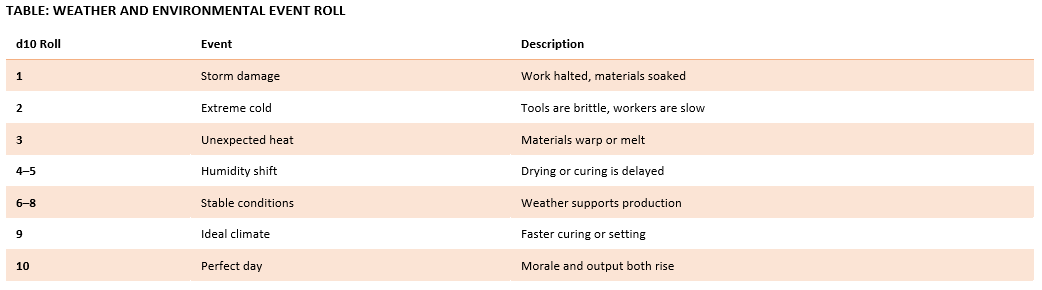
In the bustling markets of Faerûn, coin is not the only currency of trust, measurement is. From the wheat fields of the Dalelands to the shipyards of Luskan, merchants, nobles, and adventurers depend upon a shared language of land, distance, weight, and volume. Without these measures, contracts could not be enforced, caravans would falter, and harvests would be sold with suspicion rather than certainty.

The common measures of Faerûn, acres, leagues, rods, fathoms, and more, did not arise from the halls of scholars or the quills of scribes. They were born of toil and necessity. The acre was carved into existence by the plowshare, its length dictated by how far oxen could pull in a day. The league was paced out by weary travelers and sailors who needed to reckon their way across dangerous roads and seas. The fathom stretched from fingertip to fingertip on the decks of storm-tossed ships, ensuring rope and sail were measured quickly and reliably.

Over centuries, these measures moved from custom to standard. Guilds and councils enforced their use, stamping rods and ell-sticks with marks of authority to prevent fraud. City-states and kingdoms codified them into law, aligning trade across provinces and ports. Though elves, dwarves, and men each had their own traditional systems, commerce demanded reconciliation, and the Lords’ Alliance together with the great mercantile guilds brought uniformity to the common measures we still know today.

For the Waterdeep Trading Company, mastery of these measures is no mere academic curiosity. It is the framework of every contract, shipment, and tax record. When land is leased in acres, when a caravan’s journey is reckoned in leagues, when a grain harvest is sold in bushels, or when a barrel of ale is promised to a tavern in Baldur’s Gate, the company depends on these measures to guarantee fairness and profitability.

This article explores the origins, definitions, and cultural context of these common measures of Faerûn, showing not only where they came from but why they endure.

The Acre: A Farmer’s Day of Work

The acre is perhaps the most familiar unit of land. Its name and value are born of the field itself. An acre represents the strip of land a yoke of oxen could plough in a single day, moving in long furrows from dawn to dusk.

Over time, the acre was fixed as 43,560 square feet, though this number hides its agrarian roots. Larger holdings were measured by hides, a noble unit of about 120 acres. A hide was often the size of an estate sufficient to sustain a household and supply taxes or feudal levies.

For tax collectors in Baldur’s Gate or Waterdeep, the acre provided a consistent way to levy dues, ensuring farmers of one province were not unfairly burdened compared to those in another.

The League: The Traveler’s Measure

Where the acre was shaped by plow and ox, the league came from weary feet. Defined loosely as three miles, a league was the distance a person could travel on foot in an hour.

Caravan masters used it to calculate journeys. Mariners extended its use, adopting the league to chart coastlines and sea voyages. Tales of adventurers often measure danger in leagues: “The goblin camp lies three leagues east of Daggerford.”

Cultural lore reinforced its use. To dwarves, a league was the comfortable distance between waystations in mountain halls. To elves, leagues marked the length of a moonlit march. The human kingdoms standardized it in contracts and treaties, ensuring every captain and caravaner could plan with confidence.

The Rod and the Chain: Tools of the Surveyor

The rod, equal to 16.5 feet, was the surveyor’s companion. Its length matched the poles carried by land measurers, who stretched them end to end across fields to mark boundaries.

When linked, four rods formed a chain of 66 feet. Ten square chains made one acre, tying land measurement to the very tools of survey. Thus, the rod and chain were the bridge between abstract units and physical markers hammered into soil.

For the Waterdeep Trading Company, these measures still matter when laying out warehouses or mapping caravan yards.

The Fathom: Born of Sailor’s Arms

The fathom, equal to six feet, comes from the span of a sailor’s outstretched arms. Mariners measured rope, sailcloth, and most importantly depth with this unit.

Casting a weighted line into the sea, a sailor could call out “ten fathoms deep,” a phrase that carried life-or-death importance in shallow waters or near reefs. The fathom also became a measure for fishing nets and anchor lines, embedding itself in the language of seafaring guilds.

The Mile: Soldier’s March and Royal Road

The mile derives from the distance of a thousand paces taken by marching soldiers. Fixed at 5,280 feet, the mile became the backbone of royal road systems across Faerûn.

Standardizing miles allowed kingdoms to build milestones, calculate travel times for couriers, and measure supply routes for armies. Even today, contracts for caravan guards often specify journeys in miles, while noble proclamations grant rights to “all the land within ten miles of the keep.”

The Ell and the Cubit: Measures of the Body

Before metal rods and chains, the body itself was the measure.

  • Cubit: The length from elbow to fingertip, about 18 inches. Used for building temples, crafting coffins, and setting brick.
  • Ell: Roughly 45 inches, drawn from the length of a man’s arm to the opposite shoulder. Tailors used it to measure bolts of cloth.

These body-based units varied from person to person, but guilds eventually enforced standard lengths. In Waterdeep’s Clothiers Guild, every ell-stick was cut to the same master pattern, stamped with the guild’s seal to prevent cheating.

Barrels, Bushels, and Stones: Weight and Volume

Imperial measures extended beyond land and distance. Farmers and merchants also needed common standards for grain, ale, and trade goods.

  • Bushel: A volume measure for grain, about 8 gallons. Four pecks made one bushel.
  • Barrel: Used for ale, wine, or oil, though the exact gallon count varied by region and commodity.
  • Stone: Equal to 14 pounds, used for wool, cheese, and occasionally dwarven ore.

These measures tied directly into commerce. A brewer in Waterdeep promised a “barrel of ale,” while a Rashemi trader offered “three stones of cheese.”

Realms-Aware Variations

Not all regions of Faerûn agreed on the same values.

  • Elves favored poetic units, such as the moonstep, a distance marked by the shadows of silver trees.
  • Dwarves used the hold, a subterranean land measure linked to the reach of their halls.
  • Calishite merchants measured in cubits and palms, reflecting older traditions.

Yet trade demanded standardization. Over centuries, the Lords’ Alliance and merchant guilds codified these units into contracts and tariffs, ensuring that an acre in Waterdeep was the same as one in Calimport.

Worked Example

Imagine the Waterdeep Trading Company leasing farmland outside Daggerford. The agreement calls for 60 acres, an expanse easily measured in rods and chains. The harvest, promised in bushels, will fill wagons measured in cubic feet, bound for Baldur’s Gate. The distance to market is 15 leagues, or about 45 miles, requiring three days’ march by caravan.

Every stage of the contract, from field to road to market, depends on imperial units, without them, the deal would collapse into uncertainty.

Final Thoughts

Acres, leagues, rods, and fathoms are more than quaint measures of the past. They are the scaffolding of Faerûn’s commerce, the unseen standards that let merchants, nobles, and adventurers trade fairly and travel safely. For the Waterdeep Trading Company, understanding these units is not antiquarian trivia: it is the foundation of every contract, shipment, and ledger line.


Support the AD&D365 Project on Patreon.

To grow this world, we’ve launched an official Patreon where supporters can gain access to exclusive content, tools, training labs, and even influence the future of the project. Your support fuels more than just development ,  it expands the guildhall, forges new scrolls, and empowers the next generation of configuration wizards.  Begin your journey: https://www.patreon.com/adnd365/

A Grateful Salute to Our Patrons

To all those who stand behind the vision, thank you for helping bring this world to life. Our Benefactors, Andre Breillatt, and Eryndor Fiscairn, your boundless generosity fuels the arcane core of this project. Without your magic, the weave would falter. Our Apprentices, the spell engines turn and the training labs thrive thanks to our current Apprentices: Michael Ramirez and Andreth Bael’Rathyn. Special thanks to our past Apprentices, whose contributions helped us get here:  Ralf Weber, Wendy Rijners, Shashi Mahesh, Julia Tejera, Ben Ekokobe, Tiago Xavier, Naveen Boyinapelli, Marcos Tadeu Wolf, Kathryn Greene, Jason Brown, Mark Christy, and Ashish Singh. Our Initiates, Gregory Brigden, and Martin Grahm, your commitment marks the start of the deeperFpath, stepping beyond mere observation into the active shaping of this realm. Our Followers, your steady presence along the journey is a beacon of encouragement:  Eric Shuss, Sunil Panchal, Sarah D. Morgan, Nick Ramchandani, Daniel Kjærsgaard, and Tomasz Pałys. And our Voyeurs, Harry Burgh, Abdelrahman Nabil, and Basil Quarrell, ever watching from the shadows, clearly intrigued… but not enough to part with a single gold piece. Your silent curiosity is noted, and mildly judged.

Want to design your own economic models in Faerûn?

Get your own AD&D365 Environment and guides at adnd365.com/start, and request access to the public view of the current database at https://public.adnd365.com – Login npc@adnd365.com, Password N0nPl@yC#822!
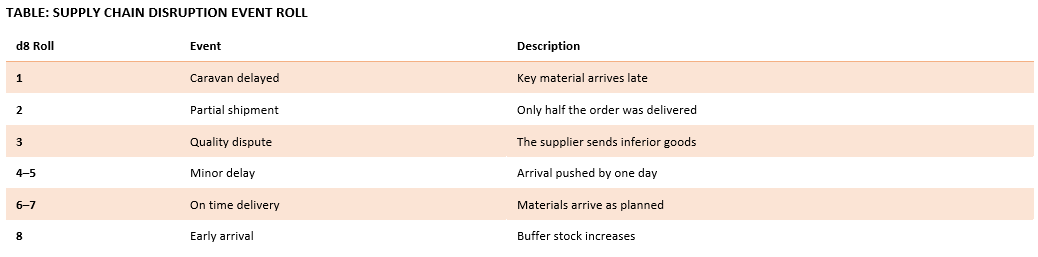
In the markets of Waterdeep and beyond, a sword is never just steel. It is ore, labor, enchantment, guild sanction, and risk bundled into an item that must survive battle and audit alike. The Waterdeep Trading Company prices longswords according to their total cost of creation, adding premiums for scarcity, magical risk, and service guarantees. A mundane blade carries the costs of metal and craft. A +3 blade carries all of that plus rare reagents, arcane labor, failed attempts, and planar licenses.

What It Is

A Bill of Materials, or BOM, is the structured ledger of inputs required to produce an item. For the Waterdeep Trading Company, a BOM separates base materials, manual craft, arcane work, overhead, levies, and logistics. This lets our clerks forecast costs, post variances, and set prices that reflect both the forge and the spell circle.

Why Prices Differ

Prices rise with each enchantment tier for five reasons.

  • Scarcity of arcane labor, senior enchanters are limited and booked.
  • Rare reagents, residuum, mithral filaments, and diamond dust scale up sharply by tier.
  • Failure rate and rework, higher tier work has more spoiled stock and scrap.
  • Guild, city, and planar fees, seals, audits, and licenses add fixed and variable costs.
  • Warranty and risk premium, stronger items carry longer guarantees and liability reserves.

Below are full BOMs with example standard costs in FGP. Use them as a baseline, then apply your local regional and guild modifiers as needed.

This table lists all inputs to forge a nonmagical longsword, useful for blacksmith contracts, shop pricing, and cost audits.

This table adds first tier arcane work and reagents to the mundane base, useful for uncommon enchantment contracts and guild review.

This table reflects rarer reagents, senior labor, and higher failure reserves. Use for rare items and contract bids.

Note. The selling price shown is a conservative mid rare figure. In high demand markets this often lists between 8,000.00 and 20,000.00 FGP.

This table covers very rare work. Costs include planar licenses and heavy failure reserves. Use for elite clients and quest collateral.

Final Thoughts

Acres, leagues, rods, and fathoms are more than quaint measures of the past. They are the scaffolding of Faerûn’s commerce, the unseen standards that let merchants, nobles, and adventurers trade fairly and travel safely. For the Waterdeep Trading Company, understanding these units is not antiquarian trivia: it is the foundation of every contract, shipment, and ledger line.


Support the AD&D365 Project on Patreon.

To grow this world, we’ve launched an official Patreon where supporters can gain access to exclusive content, tools, training labs, and even influence the future of the project. Your support fuels more than just development ,  it expands the guildhall, forges new scrolls, and empowers the next generation of configuration wizards.  Begin your journey: https://www.patreon.com/adnd365/

A Grateful Salute to Our Patrons

To all those who stand behind the vision, thank you for helping bring this world to life. Our Benefactors, Andre Breillatt, and Eryndor Fiscairn, your boundless generosity fuels the arcane core of this project. Without your magic, the weave would falter. Our Apprentices, the spell engines turn and the training labs thrive thanks to our current Apprentices: Michael Ramirez and Andreth Bael’Rathyn. Special thanks to our past Apprentices, whose contributions helped us get here:  Ralf Weber, Wendy Rijners, Shashi Mahesh, Julia Tejera, Ben Ekokobe, Tiago Xavier, Naveen Boyinapelli, Marcos Tadeu Wolf, Kathryn Greene, Jason Brown, Mark Christy, and Ashish Singh. Our Initiates, Gregory Brigden, and Martin Grahm, your commitment marks the start of the deeperFpath, stepping beyond mere observation into the active shaping of this realm. Our Followers, your steady presence along the journey is a beacon of encouragement:  Eric Shuss, Sunil Panchal, Sarah D. Morgan, Nick Ramchandani, Daniel Kjærsgaard, and Tomasz Pałys. And our Voyeurs, Harry Burgh, Abdelrahman Nabil, and Basil Quarrell, ever watching from the shadows, clearly intrigued… but not enough to part with a single gold piece. Your silent curiosity is noted, and mildly judged.

Want to design your own economic models in Faerûn?

Get your own AD&D365 Environment and guides at adnd365.com/start, and request access to the public view of the current database at https://public.adnd365.com – Login npc@adnd365.com, Password N0nPl@yC#822!
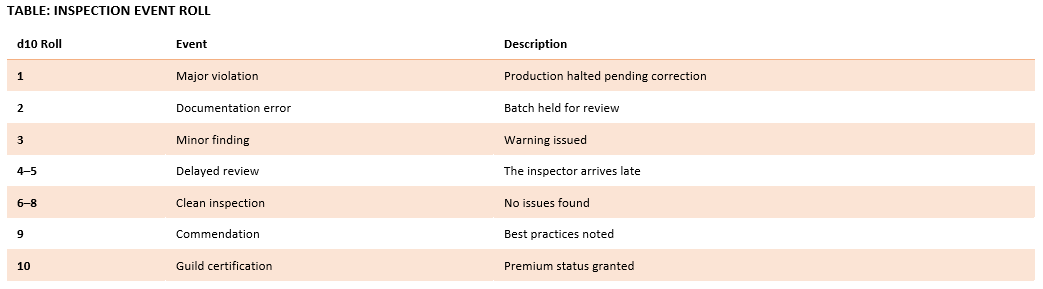
The Waterdeep Trading Company knows that profit is not only what is carried, but how, when, and in what quantity it is delivered. Perishable goods demand speed, luxury goods reward distance, and transportation—whether caravan, ship, or portal—carries its own costs. Scale, the merchant’s hidden lever, can turn a marginal route into a fortune.

Perishables: Fighting Spoilage

Perishable goods—food, drink, herbs, potions, and livestock—lose value with time. Every week of travel cuts into margin unless preserved by salt, ice, or enchantment.

  • Caravans: slow, cheaper per unit, but high spoilage.
  • Ships: faster, large loads, but weather-sensitive.
  • Portals: instantaneous, preserve freshness, but costs scale poorly.

Luxuries: Gaining with Distance

Luxury goods—spices, silks, jewelry, perfumes, planar reagents—gain value with distance. Buyers pay for scarcity, prestige, and the risks endured to bring them.

  • Caravans: increase value with each league, but invite theft.
  • Ships: move bulk luxuries at moderate cost, maximizing margin.
  • Portals: flatten distance premiums, but allow nobles to secure rare goods instantly.

The Role of Transportation & Scale

Transportation cost is not fixed. Moving one crate by teleportation circle may equal the cost of an entire caravan. Merchants calculate economy of scale before deciding the method.

Caravan Freight

  • Cost: Low per unit when wagons are full.
  • Scale Advantage: Larger caravans reduce per-unit guard and wagon costs.
  • Limitation: Spoilage eats margin for perishables.

Maritime Shipping

  • Cost: Moderate per unit, with large holds reducing cost further.
  • Scale Advantage: Best for bulk grain, silks, and ore.
  • Limitation: Risk of storms and piracy.

Arcane Portals

  • Cost: Extremely high base (e.g., 500 FSD per casting).
  • Scale Advantage: Costs spread across more goods if the portal is fully loaded.
  • Limitation: Not suited to bulk, but invaluable for high-value perishables and urgent luxuries.

Comparative Economics Table

To bring these principles together, it is helpful to compare how different goods behave under varying methods of transport and scale. The following table illustrates the practical economics of moving both perishables and luxuries by caravan, ship, or portal, showing not only the base cost of each method but also how per-unit expenses shift when moving small loads versus bulk consignments. By examining both spoilage and appreciation alongside transportation cost, merchants can see where profit is gained, where coin is lost, and why the Waterdeep Trading Company selects routes with such care.

Realms-Aware Considerations

While ledgers and tables reveal the numbers, true trade in Faerûn is shaped by the lands, climates, and powers that goods must cross. A caravan moving through the frozen North faces different challenges than a ship sailing to Calimshan, just as planar imports demand rules unlike any mortal route. These local and magical conditions shape spoilage, scarcity, and demand in ways no simple calculation can capture. The following considerations highlight the realities that every Waterdeep Trading Company factor must weigh before sending a wagon, ship, or spell across the Realms.

  • Bulk vs. Urgency: Grain caravans thrive on scale; healing potions justify portal expense.
  • Climate: Hot regions make portal transport more attractive for perishables.
  • Noble Demands: Aristocrats often pay for instant luxury, ignoring efficiency.
  • Planar Imports: Exotic reagents justify high costs because no local substitute exists.

Final Thoughts

Economy of scale separates thriving merchants from failed ones. Perishables belong to wagons and ships unless urgency demands portals. Luxuries grow more valuable with distance, but risk premiums and transport costs must be measured carefully. The Waterdeep Trading Company prospers by balancing spoilage, scarcity, transportation, and scale to turn every journey into profit.


Support the AD&D365 Project on Patreon.

To grow this world, we’ve launched an official Patreon where supporters can gain access to exclusive content, tools, training labs, and even influence the future of the project. Your support fuels more than just development ,  it expands the guildhall, forges new scrolls, and empowers the next generation of configuration wizards.  Begin your journey: https://www.patreon.com/adnd365/

A Grateful Salute to Our Patrons

To all those who stand behind the vision, thank you for helping bring this world to life. Our Benefactors, Andre Breillatt, and Eryndor Fiscairn, your boundless generosity fuels the arcane core of this project. Without your magic, the weave would falter. Our Apprentices, the spell engines turn and the training labs thrive thanks to our current Apprentices: Michael Ramirez and Andreth Bael’Rathyn. Special thanks to our past Apprentices, whose contributions helped us get here:  Ralf Weber, Wendy Rijners, Shashi Mahesh, Julia Tejera, Ben Ekokobe, Tiago Xavier, Naveen Boyinapelli, Marcos Tadeu Wolf, Kathryn Greene, Jason Brown, Mark Christy, and Ashish Singh. Our Initiates, Gregory Brigden, and Martin Grahm, your commitment marks the start of the deeperFpath, stepping beyond mere observation into the active shaping of this realm. Our Followers, your steady presence along the journey is a beacon of encouragement:  Eric Shuss, Sunil Panchal, Sarah D. Morgan, Nick Ramchandani, Daniel Kjærsgaard, and Tomasz Pałys. And our Voyeurs, Harry Burgh, Abdelrahman Nabil, and Basil Quarrell, ever watching from the shadows, clearly intrigued… but not enough to part with a single gold piece. Your silent curiosity is noted, and mildly judged.

Want to design your own economic models in Faerûn?

Get your own AD&D365 Environment and guides at adnd365.com/start, and request access to the public view of the current database at https://public.adnd365.com – Login npc@adnd365.com, Password N0nPl@yC#822!